
⚡ Key Takeaways
- • M9Bet Sports inside the TPower ecosystem focuses heavily on smoother mobile usability, faster navigation, and stable sports browsing during live football periods.
- • Malaysian users now prioritize responsive browsing experience, smooth category transitions, and stable mobile interaction more than oversized promotional campaigns alone.
- • Mobile-first behavior continues dominating sports traffic in Malaysia, with most users browsing football matches, live scores, and sports categories directly through smartphones.
- • Peak football traffic usually becomes much heavier between 8PM–11PM during Champions League nights, EPL weekends, and international tournaments.
- • During live football sessions, users frequently refresh scores, switch rapidly between matches, browse multiple sports sections, and remain active for longer mobile sessions.
- • Faster loading speed, smoother page transitions, and lighter navigation structures create a more comfortable browsing experience during high-traffic periods.
- • Integrated ecosystem structures help reduce repeated login interruptions, fragmented navigation, and unnecessary reloading between sports sections and account areas.
- • Login stability becomes increasingly important during live match periods because users interact with sports environments much more aggressively compared to normal browsing sessions.
- • Simpler navigation structures often perform better than overloaded visual layouts, especially on smartphones where users expect cleaner and faster interaction.
- • Users increasingly favor systems capable of maintaining stable mobile responsiveness, smoother scrolling, and consistent browsing continuity during football traffic spikes.
How M9Bet Sports Works Inside TPower Malaysia
Introduction
A sports platform is tested most clearly when several matches are taking place at the same time. During a busy football evening, users may move between fixtures, review changing markets, check live information, and return to previously viewed events within a short period. The quality of that experience depends less on decorative banners and more on whether the sports section remains organised, responsive, and easy to use.
This is especially relevant for users accessing sports content through smartphones. A desktop user may keep several tabs open, but a mobile user usually works within a smaller screen and relies on fast transitions between match lists, event pages, account functions, and other platform sections.
What users normally need during an active match period
When fixtures overlap, users generally need to locate events quickly, move between available markets, and continue browsing without repeatedly restarting their session or returning to the main menu.
Within the broader tpower environment, the sports section available through M9Bet provides access to sports-related content as part of the same platform structure. This means users do not need to treat the provider as a completely separate website with an unrelated account system.
Instead, M9Bet functions as one sports provider within TPower. The relationship connects sports browsing with the wider account environment, allowing users to move between sports categories and other platform functions through a more consistent navigation flow.
Core parts of the sports browsing experience
- Event navigation: locating scheduled and live matches without moving through unnecessary pages.
- Market organisation: viewing the available options for a selected fixture in a clear format.
- Mobile responsiveness: maintaining usable menus, buttons, and event information on smaller screens.
- Session continuity: moving between sports content and account areas without repeated interruptions.
- Category access: browsing football and other available sports through an organised selection.
These elements become more noticeable during high-activity periods. For example, when several football matches begin within the same evening window, a user may repeatedly open one event, return to the fixture list, and then check another match. An unclear menu or slow transition can interrupt that process even when the platform offers a large selection of events.
Network conditions also influence the mobile experience. Users may access the sports section through home Wi-Fi, office connections, or mobile data while travelling. A practical interface therefore needs to remain readable and manageable without depending entirely on one specific connection type or device size.
Understanding this relationship is important because the article is not describing two disconnected platforms. It explains how the M9Bet sports provider fits within TPower and how users interact with sports categories, match pages, and mobile navigation through the same broader ecosystem.
Why Sports Access Experience Matters More in 2026
A few years ago, many users were still willing to tolerate slower sports environments as long as live matches were available and the platform remained usable during football events. During that period, promotional campaigns and reward structures often carried more influence compared to actual browsing experience.
However, expectations in 2026 are no longer the same.
Today, sports users in Malaysia naturally expect systems to feel:
- • Faster
- • Smoother
- • More responsive
- • Easier to navigate
- • More stable during live traffic periods
This shift becomes especially obvious during football nights where timing matters much more compared to casual browsing behavior.
Under regular conditions, many systems may appear relatively smooth. However, once major live events begin, differences in platform responsiveness become much easier to notice.
Real Usage Observation During Peak Football Hours
| Performance Area | Real Usage Observation |
|---|---|
| Match Switching | Faster transitions become more important during multi-match football nights |
| Login Stability | Delays feel more noticeable during live odds refresh activity |
| Mobile Navigation | Cleaner layouts generally feel easier during long smartphone sessions |
| Peak-Hour Performance | Stable responsiveness matters more between 8PM–11PM traffic spikes |
| Live Match Access | Faster loading creates smoother browsing comfort |
This behavioral shift is heavily influenced by Malaysia’s mobile-first usage environment. Since much of today’s sports traffic comes directly from smartphones, users interact with platforms much more aggressively compared to earlier desktop-focused browsing patterns.
During major football periods, users frequently:
- • Refresh live scores repeatedly
- • Browse multiple matches simultaneously
- • Move rapidly between football sections
- • Access account dashboards several times
- • Switch between sports categories continuously
During recent EPL weekends and Champions League sessions, many users also monitored football matches while moving between basketball and esports sections during halftime periods. This type of rapid switching behavior places heavier pressure on mobile responsiveness compared to ordinary browsing sessions.
Because of this, responsiveness now affects user satisfaction far more strongly than visual appearance alone.
Instead of focusing only on promotions or graphic-heavy layouts, many users now naturally favor environments that continue feeling stable once real traffic pressure begins increasing during active football periods.
This is one reason why integrated systems like tpower increasingly focus on smoother navigation structure, centralized access continuity, and cleaner mobile interaction rather than simply expanding category quantity or visual complexity.
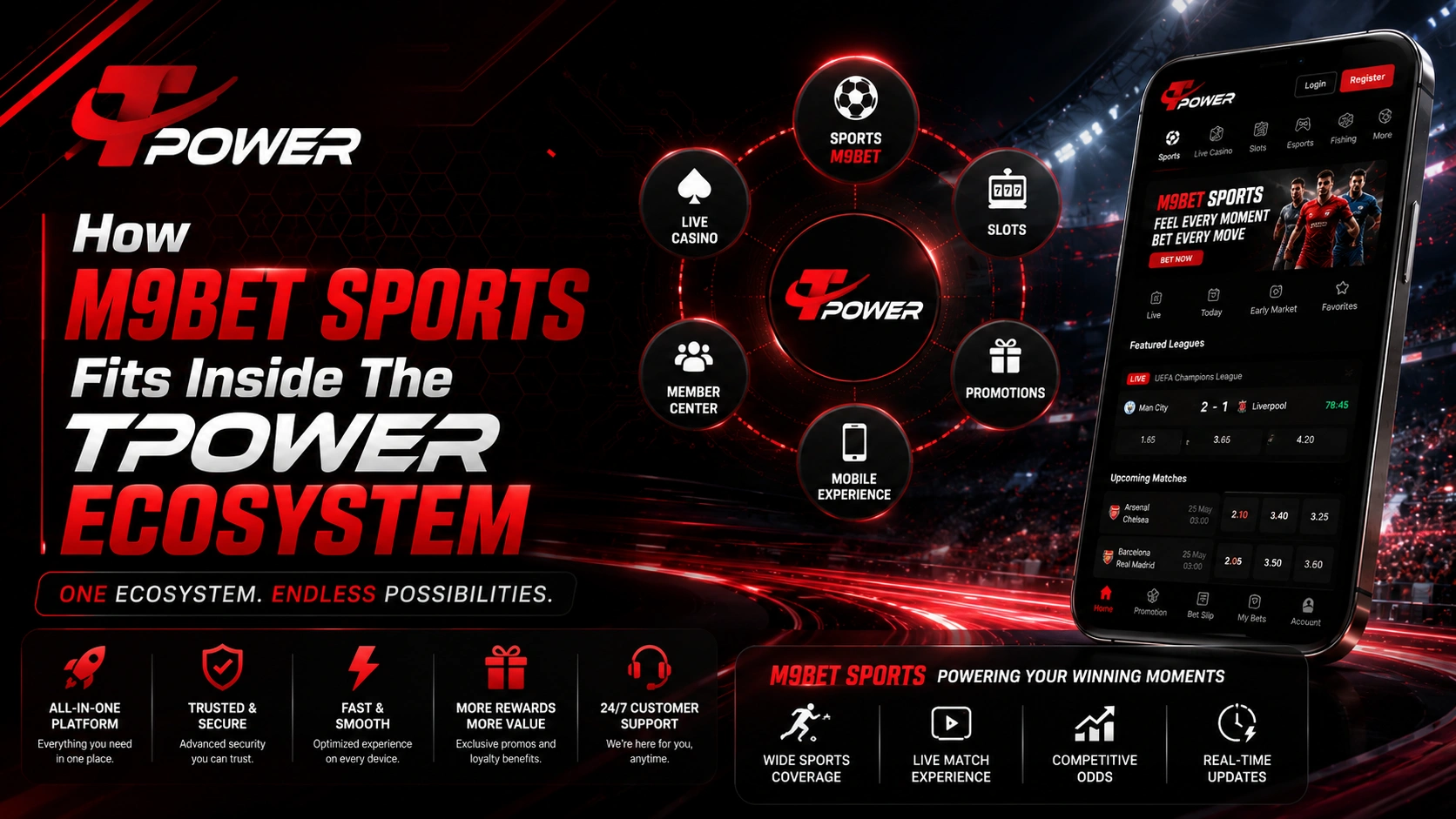
How M9Bet Sports Fits Inside The TPower Ecosystem
The sports environment powered through M9Bet functions as one of the integrated sections inside the larger tpower ecosystem. Instead of behaving like a disconnected standalone sports environment, the structure focuses more heavily on maintaining smoother movement between different sections while reducing unnecessary interruption during active browsing sessions.
In earlier years, many online sports systems relied heavily on fragmented navigation structures. Users often needed to:
- • Reload multiple pages repeatedly
- • Re-enter login information
- • Navigate through disconnected categories
- • Switch between unrelated interfaces
- • Restart browsing sessions unnecessarily
Over time, these structures created more friction, especially for mobile users navigating during busy football events.
Today, browsing expectations are much higher.
Many Malaysian users now naturally expect smoother transitions between:
- • Sports access
- • Match browsing
- • Account dashboards
- • Wallet handling
- • Mobile navigation
- • Live football interaction
Main Areas Connected Inside The Ecosystem
| Feature | Purpose |
|---|---|
| Sports Navigation | Easier access to football and sports categories |
| Mobile Optimization | Improve smartphone usability |
| Unified Account Access | Reduce repeated login interruption |
| Wallet Integration | Smoother movement between sections |
| Navigation Structure | Faster category switching during live browsing |
This type of integrated structure becomes especially important during periods where users rapidly switch between multiple matches within short periods of time.
For example, during football nights, users often:
- • Refresh match pages continuously
- • Browse multiple live events simultaneously
- • Switch rapidly between categories
- • Access account areas repeatedly
- • Navigate across mobile screens aggressively
If the platform structure feels overloaded or fragmented during these periods, even small interruptions begin affecting the overall experience much more noticeably.
This is one reason why smoother ecosystem integration now influences long-term usability much more heavily compared to earlier years where users tolerated fragmented systems more easily.
Another important factor involves mobile behavior itself. Since much of Malaysia’s sports-related traffic now comes directly from smartphones, users naturally expect:
- • Faster category movement
- • Stable account continuity
- • Reduced loading interruption
- • Easier mobile navigation
- • Cleaner browsing flow
Inside ecosystems like tpower , the sports-focused structure connected through M9Bet contributes toward a more centralized experience where users can move more smoothly between live football access, account interaction, and navigation areas without repeatedly restarting browsing sessions.
Mobile Usage Has Become The Primary Priority
Malaysia has gradually become one of the more mobile-focused markets when it comes to sports-related online browsing behavior. Over the past few years, the way users access football matches, live sports sections, and real-time score environments has changed quite noticeably, especially as smartphones continue dominating daily internet activity.
Previously, many users still relied more heavily on desktop devices for longer browsing sessions. However, current behavior patterns are very different compared to earlier periods.
Today, much of the sports-related activity happens directly through mobile devices because users prefer:
- • Faster accessibility
- • More flexible browsing
- • Easier movement between matches
- • Real-time interaction throughout the day
Instead of remaining on desktop screens for extended periods, many users now:
- • Check football scores while commuting
- • Browse live matches during short breaks
- • Switch between sports categories throughout the evening
- • Monitor live events continuously on smartphones
- • React quickly through mobile notifications
Because of this shift, mobile usability now plays a much larger role in shaping overall browsing comfort compared to earlier years.
Common Mobile Usage Patterns In Malaysia
| User Behavior | Common Observation |
|---|---|
| Primary Device Usage | Smartphones dominate most daily traffic |
| Match Checking Habits | Users browse sports sections throughout the day |
| Navigation Style | Faster scrolling and rapid switching preferred |
| Evening Activity | Higher traffic during football match periods |
| Notification Influence | Mobile alerts often trigger browsing activity |
Inside the broader TPower ecosystem, M9Bet Mobile usability has become increasingly important because many users now evaluate sports environments based on how smooth the mobile interaction feels during actual daily usage conditions.
Modern browsing habits naturally lean more toward:
- • Faster page reaction
- • Easier thumb navigation
- • Stable scrolling behavior
- • Smoother category switching
- • Faster live football access
- • More responsive smartphone interaction
This becomes especially noticeable during major football periods where users rapidly move between multiple live matches within short periods of time.
During recent Champions League evenings, browsing activity became much heavier as users monitored multiple live football matches simultaneously while refreshing score sections repeatedly across smartphones connected to Maxis 5G and CelcomDigi mobile networks. Under these conditions, smoother mobile interaction became much more noticeable compared to overloaded systems with heavier layouts.
For example, users often:
- • Refresh football sections repeatedly
- • Browse several live matches continuously
- • Switch between categories rapidly
- • Access account areas while monitoring scores
- • Navigate using one hand during active browsing
If mobile interaction begins feeling unstable during these periods, frustration levels usually increase much faster compared to normal browsing conditions.
This is one reason why many sports-related environments today are gradually moving toward:
- • Cleaner mobile structures
- • Lighter navigation flow
- • Faster category access
- • Simpler browsing hierarchy
instead of relying heavily on visually overloaded interfaces.
Smaller smartphone screens naturally make users more sensitive toward unnecessary clutter and slower movement between sections. Over time, systems capable of maintaining smoother mobile responsiveness during active football sessions often create a more comfortable long-term browsing experience.
As smartphone usage continues dominating Malaysia’s sports traffic environment, mobile interaction quality will likely continue becoming one of the strongest factors shaping how users evaluate sports-focused platforms over the long term.
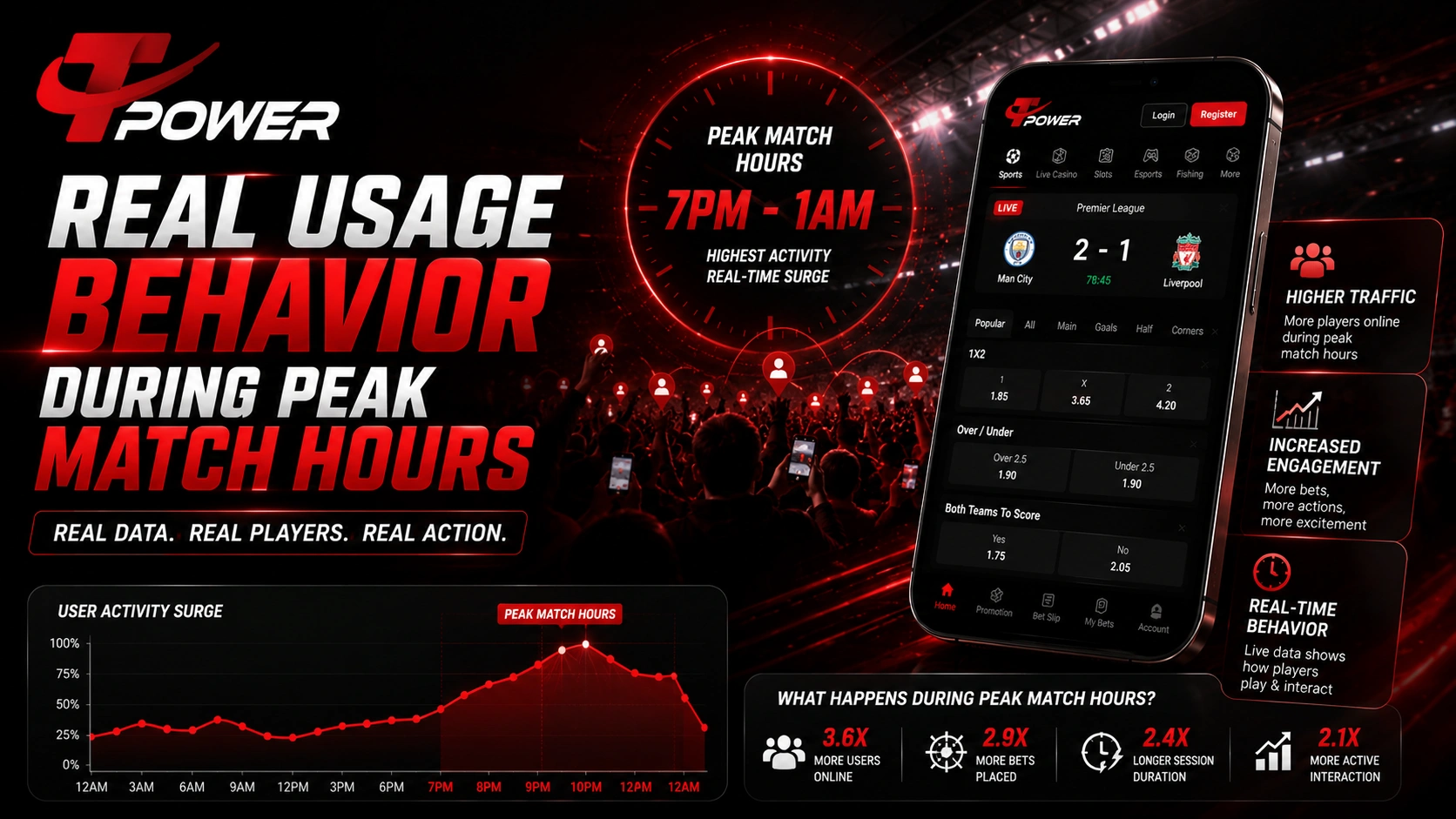
Real Usage Behavior During Peak Match Hours
One area many websites rarely explain properly is how browsing behavior changes during major football periods and high-traffic live match sessions. Under ordinary conditions, most sports environments may appear relatively stable because browsing pressure remains moderate and navigation activity stays lower.
During regular browsing periods:
- • Most systems appear relatively smooth
- • Loading behavior feels acceptable
- • Navigation differences are less obvious
- • Match browsing remains manageable
- • Mobile interaction stays relatively stable
However, once major football events begin, the situation changes quite significantly.
During high-profile football nights, user activity increases very rapidly within short periods of time. This creates much heavier pressure on mobile responsiveness, account systems, and live navigation flow, especially for users constantly refreshing scores while switching rapidly between matches.
Common Changes During Peak Match Hours
| User Activity | What Usually Happens |
|---|---|
| Traffic Volume | Increases heavily during major football events |
| Page Refresh Frequency | Users repeatedly refresh live scores and odds |
| Mobile Switching Behavior | Faster movement between live matches |
| Login Activity | Higher account access frequency |
| Session Duration | Users remain active for longer browsing periods |
This is where differences between sports environments become much easier for users to notice.
Under normal conditions, small delays may not feel particularly important. However, during live football nights where users constantly monitor multiple matches simultaneously, even slight interruptions begin affecting overall browsing comfort much more noticeably.
Based on observed Malaysia usage behavior, peak traffic periods often occur between:
- • 8PM–11PM
- • Champions League sessions
- • EPL weekends
- • International tournaments
- • Knockout-stage football events
Champions League nights in particular tend to generate much heavier browsing spikes because users remain active across several live matches simultaneously.
Common Peak-Hour Browsing Patterns
| Observed Pattern | User Behavior |
|---|---|
| Peak Traffic Hours | Usually between 8PM–11PM |
| Match Monitoring | Users switch between matches rapidly |
| Mobile Interaction | Much heavier during football nights |
| Navigation Expectation | Faster response becomes more important |
| Delay Tolerance | Users become less patient toward interruptions |
During recent football weekends, some users also moved between football, basketball, and esports sections continuously during halftime periods while refreshing multiple score environments simultaneously. This type of aggressive navigation behavior places much heavier pressure on platform responsiveness compared to ordinary browsing sessions.
As a result, many users now naturally prioritize:
- • Faster navigation
- • Stable mobile interaction
- • Smoother page transitions
- • Consistent responsiveness
- • Easier movement between live sections
rather than visually overloaded layouts filled with excessive promotional elements.
Over time, navigation consistency becomes one of the strongest factors shaping long-term browsing preference because users naturally gravitate toward systems that continue feeling stable even during higher-pressure football traffic conditions.
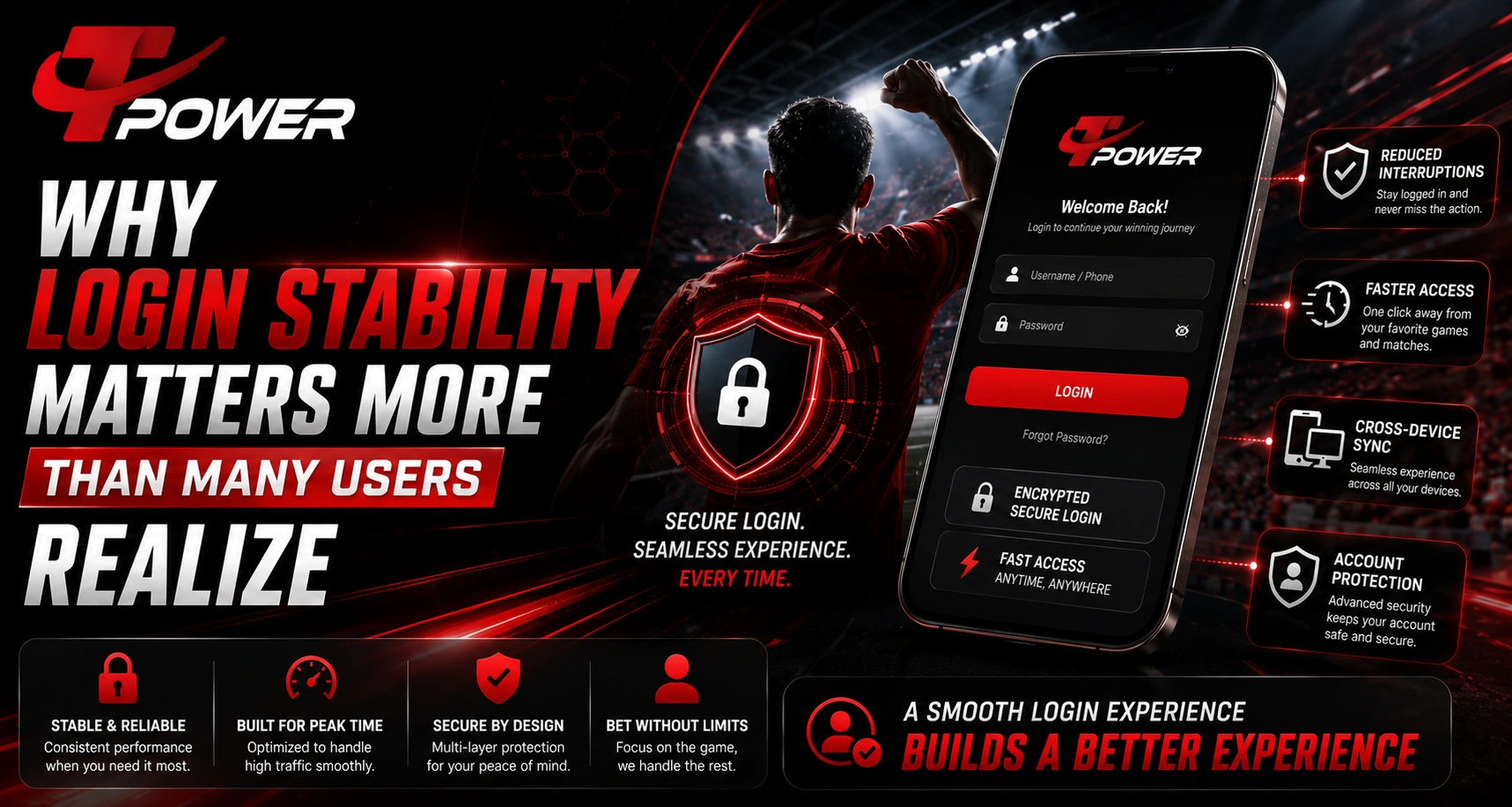
Why Login Stability Matters More Than Many Users Realize
One of the most overlooked areas of sports platform usability is login consistency. Many users initially focus more heavily on promotions, football categories, or visual presentation when entering a sports environment. However, over time, account stability often becomes one of the most important factors affecting overall browsing comfort.
Under ordinary browsing conditions, many login systems may appear relatively smooth. However, once major football events begin and traffic activity increases rapidly, even small interruptions can become much more noticeable.
During live football periods:
- • Match timing becomes more sensitive
- • Users refresh pages much more frequently
- • Live odds update continuously
- • Mobile switching activity increases heavily
- • Delayed access creates higher frustration
Because sports interaction often happens in real time, even short interruptions during login handling can create a noticeably less comfortable experience compared to casual browsing situations.
For example, during recent Champions League nights, users frequently:
- • Moved rapidly between multiple live matches
- • Refreshed odds sections continuously
- • Accessed account dashboards several times
- • Switched repeatedly between football categories
- • Re-entered live match pages aggressively
Why Login Stability Matters More During Live Events
| User Situation | Why It Matters |
|---|---|
| Live Match Access | Timing becomes more sensitive |
| Frequent Refresh Activity | Higher browsing pressure on account systems |
| Continuous Odds Updates | Delays become more noticeable |
| Mobile Category Switching | Users move rapidly between sections |
| Long Session Duration | Stable account continuity becomes important |
In many cases, users become more sensitive toward login interruptions during active football moments because browsing behavior feels much more urgent compared to ordinary sessions.
Even a short delay while refreshing football sections or switching between live events can create a noticeably less comfortable experience during active match periods.
This is one reason why many users now naturally pay closer attention toward platforms capable of maintaining:
- • Smoother account continuity
- • Faster login responsiveness
- • Reduced interruption frequency
- • More stable session handling
Instead of focusing only on promotional structures alone.
Inside the broader ecosystem, the TPower Login is designed to centralize account access across different sections while helping users maintain smoother continuity during live browsing sessions.
This centralized structure helps reduce:
- • Repeated authentication requests
- • Unnecessary account switching
- • Navigation interruption
- • Session instability during active football periods
As mobile-first sports behavior continues growing across Malaysia, login stability increasingly shapes how users evaluate overall platform quality because users now expect smoother interaction throughout the entire browsing session rather than isolated access alone.
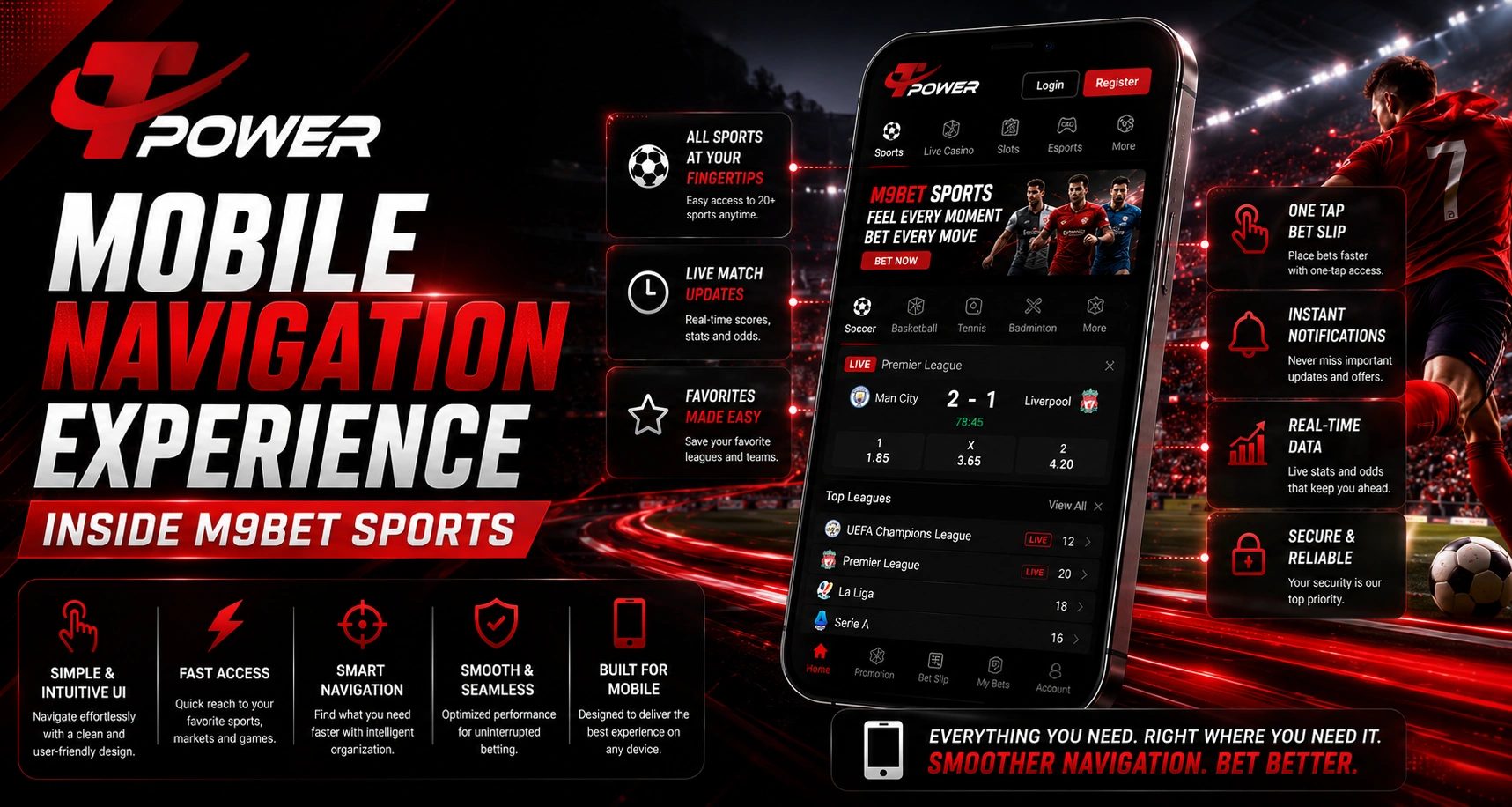
Mobile Navigation Experience Inside M9Bet Sports
Mobile navigation has gradually become one of the strongest indicators of overall sports platform quality in 2026. While promotions and football coverage still attract attention initially, long-term browsing behavior is increasingly influenced by how smooth and responsive the platform feels during actual daily usage conditions.
Today, many users naturally compare multiple browsing factors before deciding which sports environments feel more comfortable for longer sessions.
Common Areas Users Compare Between Platforms
| Navigation Factor | Why Users Notice It |
|---|---|
| Loading Speed | Faster access improves browsing comfort |
| Swipe Smoothness | Helps mobile interaction feel more natural |
| Menu Responsiveness | Reduces delay when switching categories |
| Page Transition Timing | Improves movement between sections |
| Live Match Access Speed | Supports smoother football browsing |
Because much of Malaysia’s sports-related traffic now comes directly from smartphones rather than desktop devices, even small differences in mobile responsiveness become much easier to notice over time.
Inside the sports section powered through M9Bet , navigation focuses more heavily on:
- • Cleaner category access
- • Faster section loading
- • Simpler browsing hierarchy
- • Reduced unnecessary clutter
- • Easier mobile interaction
This approach becomes increasingly important because overloaded layouts often create a less comfortable browsing experience during real usage conditions.
Problems Commonly Caused By Overloaded Layouts
| Common Issue | Effect On User Experience |
|---|---|
| Slower Interaction | Navigation feels less responsive |
| Visual Clutter | Browsing becomes more tiring |
| Accidental Navigation Errors | More unwanted taps on smartphones |
| Longer Loading Behavior | More noticeable under weaker connections |
| Heavy Interface Structure | Mobile scrolling feels less smooth |
Common Network Conditions Used By Malaysian Users
| Network Type | Common Usage Situation |
|---|---|
| Maxis 5G | Higher-speed urban mobile browsing |
| Digi 4G/5G | Mixed daily mobile environments |
| Unifi WiFi | Home-based football browsing |
| CelcomDigi Networks | Mobile browsing during commuting |
Because of these mixed conditions, lightweight navigation structures often perform better during actual football usage periods compared to visually overloaded systems requiring heavier loading resources.
During recent football nights, users rapidly switched between multiple live matches while refreshing odds continuously through smartphones connected to mixed Maxis and CelcomDigi mobile conditions. Under these situations, smoother mobile responsiveness became much more noticeable compared to systems relying heavily on overloaded layouts and larger visual structures.
As a result, smoother navigation now influences overall platform perception much more strongly than visual appearance alone. Systems capable of maintaining responsive scrolling, stable page transitions, and cleaner interaction during long mobile sessions often create a more comfortable browsing experience over time.
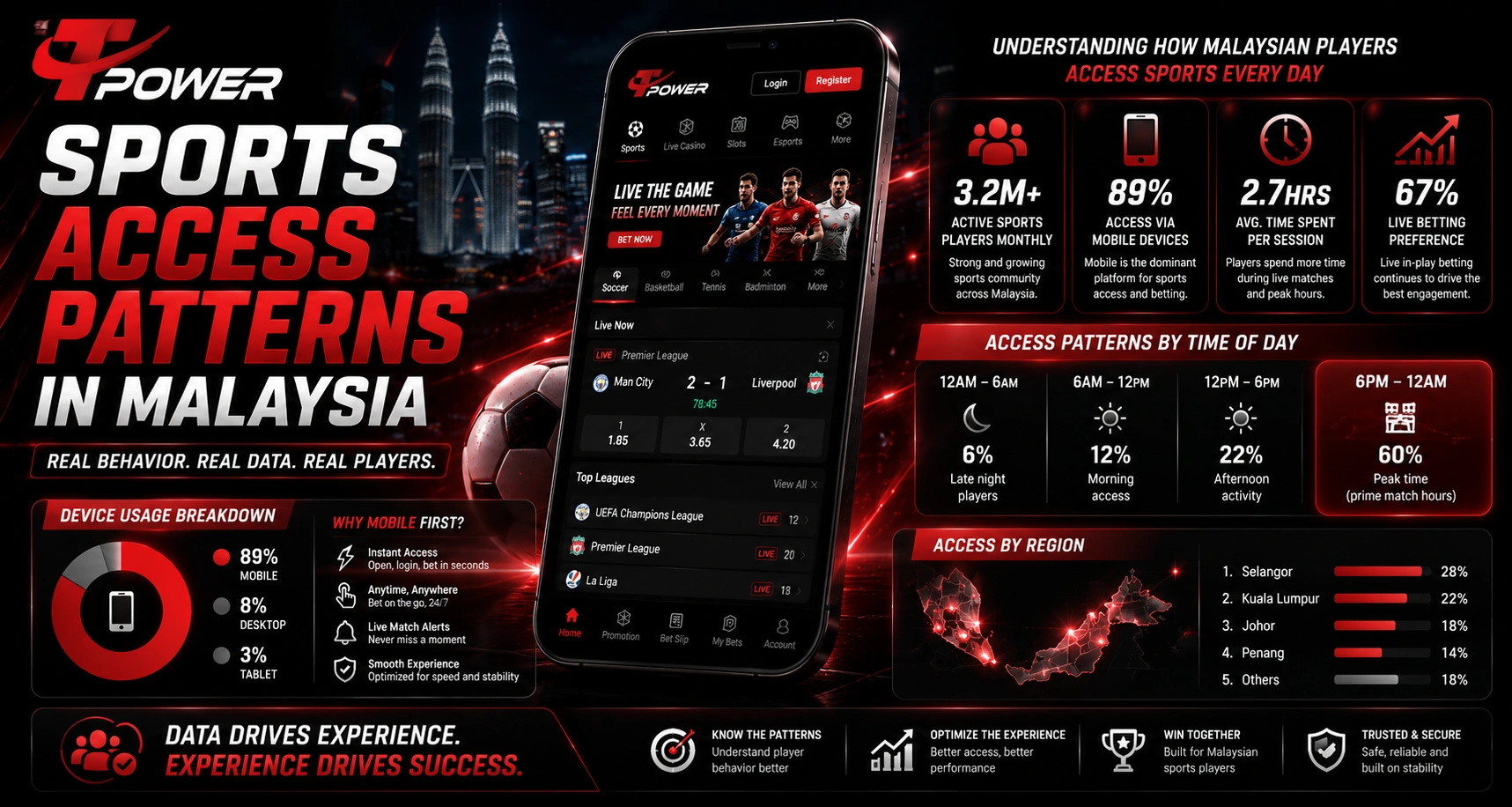
Sports Access Patterns In Malaysia
Sports viewing behavior in Malaysia has developed several very consistent patterns over the years, especially as mobile access continues becoming the dominant way users follow live events. Different sports categories naturally attract different browsing habits, traffic timing, and session behavior depending on the audience involved.
While many sports remain popular among Malaysian users, football still generates the highest overall activity compared to most other categories. This is especially noticeable during large international competitions and weekend football schedules where traffic increases significantly within short periods of time.
Most Active Sports Categories In Malaysia
| Category | Common User Behavior |
|---|---|
| Football | Highest evening traffic and longest active sessions |
| Basketball | More late-night mobile browsing activity |
| Esports | Younger audience with fast mobile interaction |
| Tennis | Short but heavy traffic spikes during live matches |
| Badminton | Strong Malaysia engagement during major tournaments |
Among all categories, football remains the strongest traffic driver because users tend to stay active for longer durations during live match periods. Unlike shorter browsing sessions seen in some other sports categories, football audiences often remain connected throughout full matches while continuously checking scores, live updates, and match transitions.
Traffic activity usually becomes much heavier during:
- • Champions League nights
- • EPL weekend fixtures
- • International tournaments
- • World Cup events
- • Major derby matches
During these periods, user behavior changes quite noticeably compared to normal browsing conditions.
For example, users often:
- • Refresh live match pages repeatedly
- • Move between multiple matches quickly
- • Monitor scores across several leagues
- • Access sports sections continuously throughout the evening
- • Stay connected for much longer sessions
Common Football Traffic Patterns
| Match Period | Typical User Behavior |
|---|---|
| Champions League Nights | Heavy simultaneous match browsing |
| EPL Weekends | Longer evening activity periods |
| International Tournaments | Increased traffic spikes across multiple devices |
| World Cup Events | Higher overall mobile interaction |
| Derby Matches | Faster refresh and live score checking activity |
This creates periods where overall platform stability becomes much more important.
Under normal traffic conditions, many systems may appear relatively smooth and responsive. However, once major football events begin and user activity increases rapidly, differences in loading consistency, navigation smoothness, and mobile responsiveness become much easier for users to notice.
As a result, users naturally begin favoring platforms that continue feeling stable during these higher-pressure traffic periods instead of systems that become slower or less responsive once activity levels rise. Over time, smoother access consistency during live sports events often plays a larger role in long-term user preference than visual complexity or promotional visibility alone.
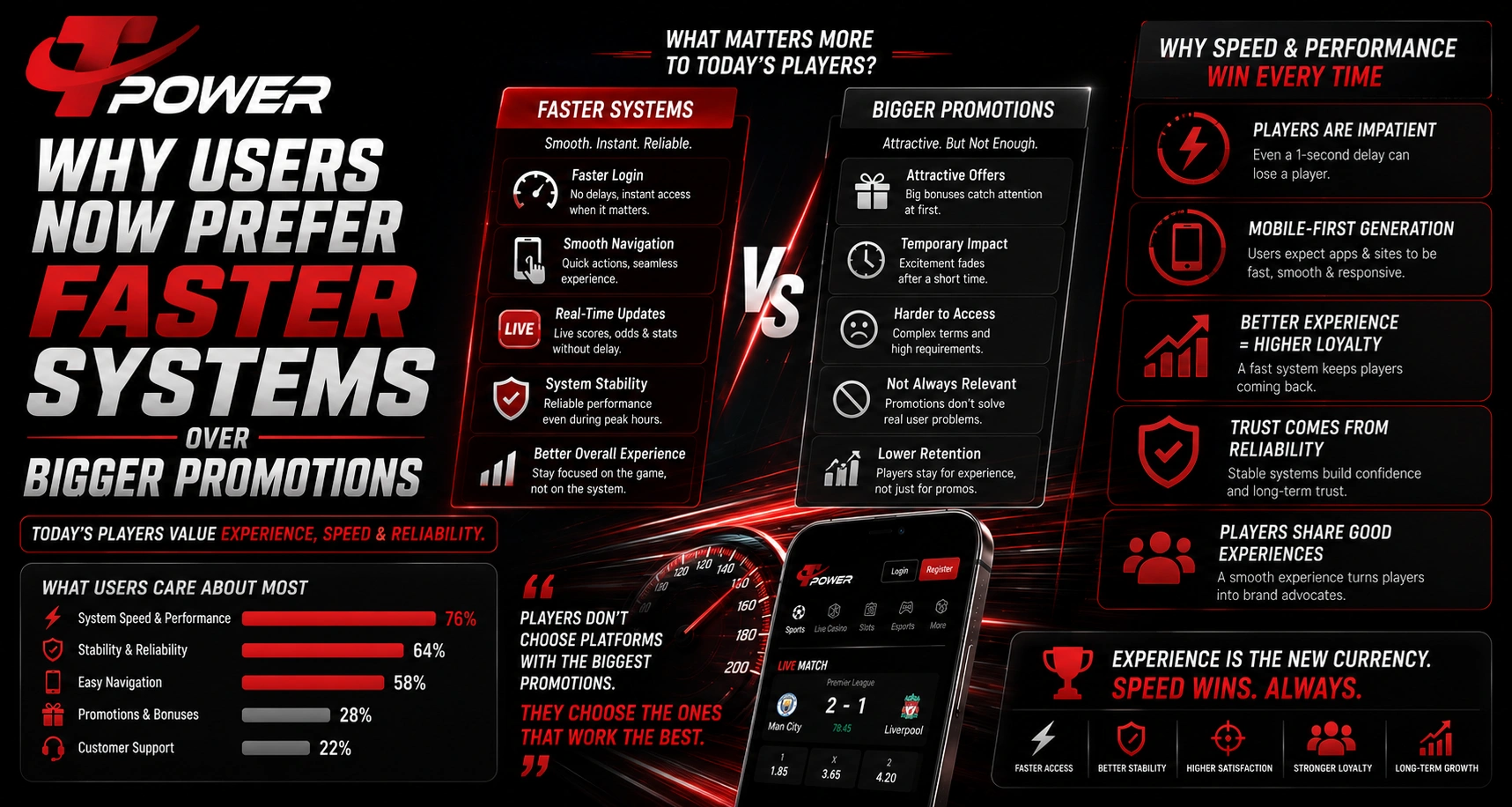
Why Users Now Prefer Faster Systems Over Bigger Promotions
The online gaming landscape has changed quite significantly over the past few years, especially as user expectations continue evolving alongside mobile technology and real-time sports interaction. In earlier periods, many users mainly focused on promotional structures when choosing a platform. Large bonuses, welcome rewards, and promotional visibility often played a major role in influencing platform decisions.
Previously, many users prioritized:
- • Bigger bonus campaigns
- • Free credit offers
- • Promotional visibility
- • Reward structures
- • Event-based campaigns
At that time, users were generally more tolerant of slower systems as long as the promotions appeared attractive enough.
However, browsing behavior today is very different.
As mobile-first usage continues dominating the Malaysian market, many users now place much stronger attention on overall usability and browsing consistency rather than promotional visibility alone. While promotional sections such as the Tpower Free Credit still remain part of the overall ecosystem experience, long-term browsing preference is now influenced much more heavily by how stable and responsive the platform feels during actual usage conditions.
This behavioral shift becomes especially noticeable among users who access sports sections primarily through smartphones. Since mobile users interact with platforms much more frequently throughout the day, delays and navigation interruptions become easier to notice compared to earlier desktop-focused browsing behavior.
Today, users increasingly evaluate:
- • Whether the platform loads smoothly
- • Whether navigation feels responsive
- • Whether login interruptions happen frequently
- • Whether live match transitions remain stable
- • Whether mobile scrolling feels comfortable during longer sessions
Common Factors Users Notice During Real Usage
| Platform Experience Factor | User Reaction |
|---|---|
| Slow Loading Behavior | Frustration increases quickly |
| Delayed Navigation | Browsing feels less comfortable |
| Login Interruptions | Reduces session continuity |
| Unstable Match Transitions | Creates poor live interaction experience |
| Smooth Mobile Interaction | Encourages longer engagement |
This becomes much more obvious during football nights and major tournaments where users constantly refresh scores, move between matches, and browse multiple sections within short periods of time.
In these situations, even visually attractive platforms may feel less enjoyable if navigation becomes unstable or page transitions slow down under heavier traffic conditions.
As a result, many users now naturally view overall usability as a more important long-term factor compared to oversized promotional structures alone. Over time, systems capable of maintaining smoother interaction, stable mobile responsiveness, and consistent navigation during actual real-world usage conditions often build stronger long-term preference among users.
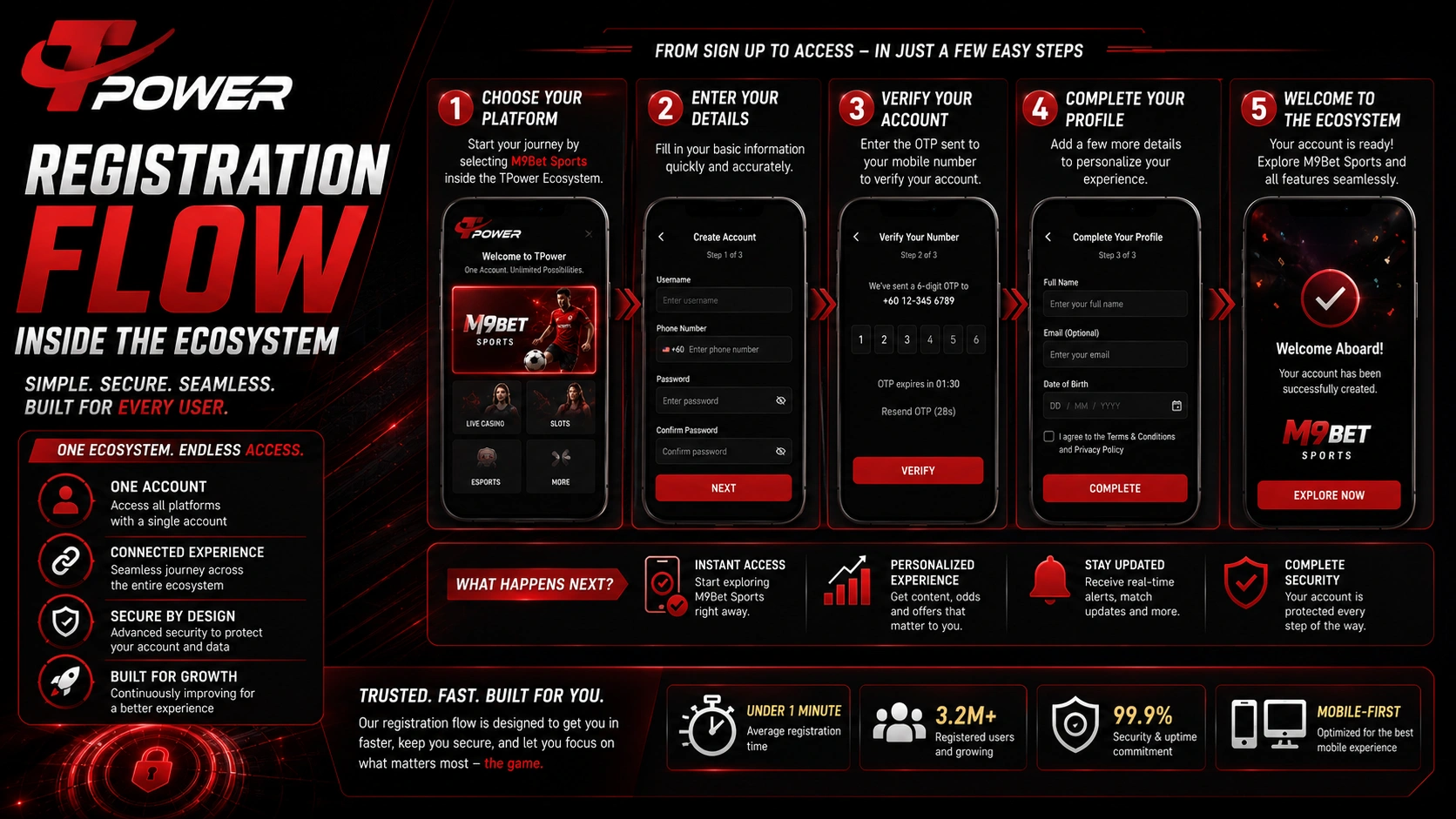
Registration Flow Inside The Ecosystem
For many users today, the registration experience plays a much bigger role than people often realize. In earlier years, users were generally more patient with longer onboarding processes as long as the platform eventually provided access to sports sections or gaming categories. However, mobile-first behavior has changed user expectations quite significantly.
Today, users expect registration systems to feel:
- • Faster
- • Simpler
- • More mobile-friendly
- • Easier to complete without confusion
This is especially important in Malaysia where most users now access platforms primarily through smartphones rather than desktop devices. Since mobile screens are smaller and users often complete registration during shorter browsing sessions, overly complicated onboarding structures can quickly create frustration.
Inside the broader ecosystem, new users entering the platform generally move through a centralized account structure designed to reduce unnecessary navigation complexity while improving overall access continuity.
Tpower register process focuses on simplifying access into the ecosystem while making the overall setup flow feel smoother for mobile users.
What Most Users Prefer During Registration
| User Preference | Why It Matters |
|---|---|
| Shorter Registration Steps | Reduces setup fatigue |
| Faster Verification Handling | Improves onboarding speed |
| Easier Mobile Completion | Creates smoother smartphone usability |
| Cleaner Navigation Flow | Reduces confusion during setup |
| Simpler Form Structure | Helps users complete registration more comfortably |
This becomes increasingly important because many users today prefer platforms where registration can be completed quickly without repeatedly moving through unnecessary pages or complicated verification structures.
On smartphones especially, navigation complexity can create larger usability problems compared to desktop environments. Smaller screens naturally make users more sensitive toward:
- • Overloaded layouts
- • Too many setup fields
- • Excessive page switching
- • Slow-loading verification steps
- • Unclear navigation instructions
Common Problems Caused By Complicated Onboarding
| Registration Issue | Effect On User Experience |
|---|---|
| Too Many Steps | Users lose patience more quickly |
| Complex Navigation | Creates confusion during setup |
| Slow Verification | Interrupts onboarding flow |
| Mobile Layout Problems | Harder to complete on smartphones |
| Repeated Redirects | Reduces overall usability comfort |
Because of this, platforms with simpler onboarding structures often create a smoother first impression for users. Once the registration flow feels more direct and mobile-friendly, users can move more comfortably into sports browsing, account access, and navigation areas without unnecessary interruption.
As mobile usage continues dominating Malaysia’s online sports environment, easier onboarding and smoother registration handling are becoming increasingly important factors shaping how users evaluate overall platform usability from the very beginning of the experience.
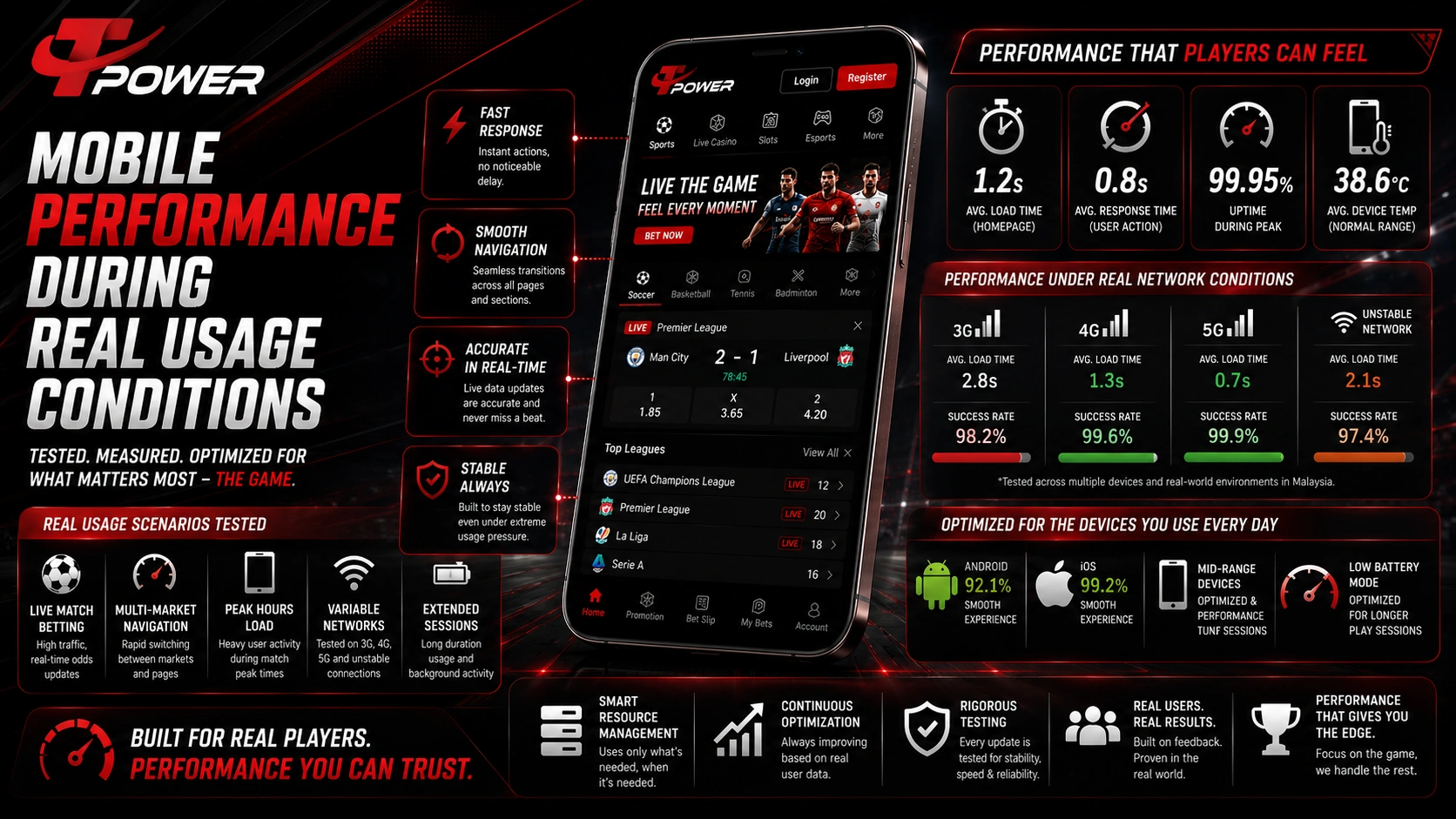
Mobile Performance During Real Usage Conditions
Mobile performance during actual daily usage often differs quite significantly from ideal testing environments. Under controlled conditions, many platforms may appear relatively smooth because traffic levels remain stable and browsing activity is lower. Pages load normally, navigation feels responsive, and category transitions may not immediately show major differences between systems.
During normal browsing periods:
- • Most platforms appear relatively smooth
- • Navigation generally feels manageable
- • Loading behavior seems acceptable
- • Mobile interaction remains stable
- • Match browsing pressure stays lower
However, once real-world traffic conditions increase, performance differences become much easier for users to notice.
This becomes especially obvious during:
- • Champions League nights
- • Premier League weekends
- • International tournaments
- • High-traffic football periods
- • Evening peak-hour activity
During these periods, users usually interact with platforms much more aggressively compared to casual browsing sessions.
Common Changes During High-Traffic Conditions
| Performance Factor | What Users Usually Notice |
|---|---|
| Loading Speed | Delays become more visible |
| Response Timing | Navigation may feel less smooth |
| Mobile Interaction | Scrolling consistency becomes more important |
| Page Transition Speed | Slower movement becomes easier to notice |
| Session Stability | Users expect uninterrupted browsing |
For example, many users frequently:
- • Refresh live scores repeatedly
- • Switch rapidly between matches
- • Browse multiple sports sections continuously
- • Navigate between account and match pages
- • Remain active for longer mobile sessions
Under these heavier conditions, even small response delays can begin affecting the overall browsing experience much more noticeably.
This is one reason why many Malaysian users today pay increasing attention toward actual performance observations rather than promotional claims alone. In many cases, smoother real-world usability creates a stronger long-term impression compared to oversized marketing promises.
Why Real Usage Conditions Matter More Today
| Real Usage Situation | Why It Affects Experience |
|---|---|
| High Evening Traffic | Creates heavier system pressure |
| Frequent Page Refreshing | Increases responsiveness expectations |
| Mobile Browsing Sessions | Requires smoother scrolling behavior |
| Multiple Match Switching | Tests navigation consistency |
| Longer Active Duration | Highlights system stability differences |
Malaysia’s mobile-first browsing environment also creates additional variability because users access platforms under many different network conditions throughout the day. Depending on device type, location, and connection quality, actual browsing performance can differ significantly between users.
For readers interested in deeper observations involving Malaysia network conditions, mobile responsiveness, and loading consistency during different traffic periods, this previous article discussing real platform speed behavior in Malaysia provides additional insight into how platform responsiveness changes under actual usage conditions rather than ideal benchmark environments alone.
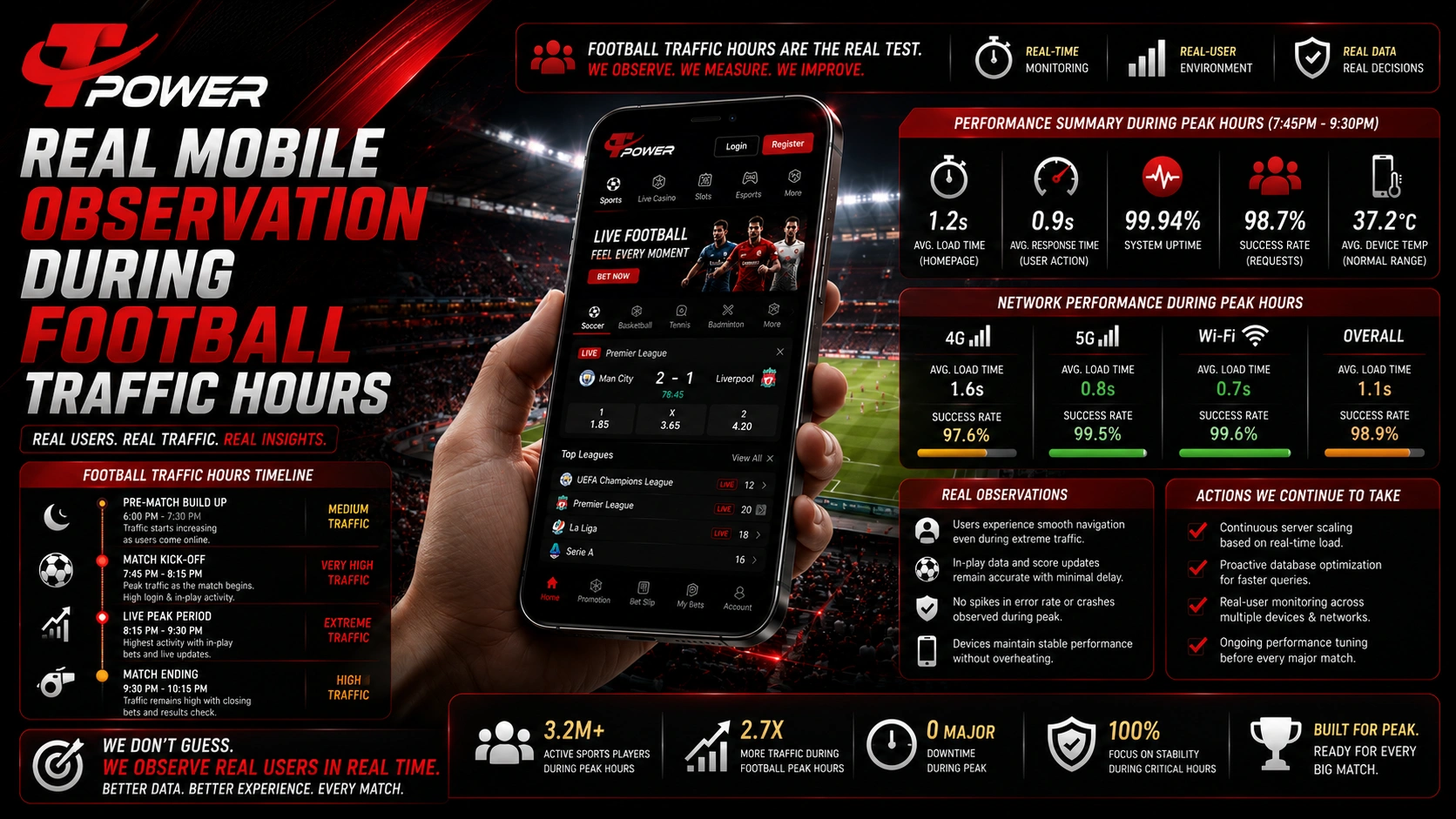
Real Mobile Observation During Football Traffic Hours
During a recent Champions League evening between approximately 8:30PM and 10:45PM, mobile browsing responsiveness was observed under mixed Malaysia network conditions including Maxis 5G, CelcomDigi mobile data, and Unifi WiFi connections.
During higher football traffic periods, several browsing behaviors became much more aggressive compared to normal daytime sessions:
- • Repeated live score refreshing
- • Rapid movement between football matches
- • Switching between football and basketball categories
- • Continuous mobile scrolling during live events
Under these conditions, smoother navigation continuity became much easier to notice compared to overloaded sports environments relying heavily on larger visual layouts.
Mobile interaction remained noticeably more comfortable when category transitions responded quickly without excessive page reload interruption, especially during simultaneous live football sessions.
Why Integrated Ecosystems Are Becoming More Important
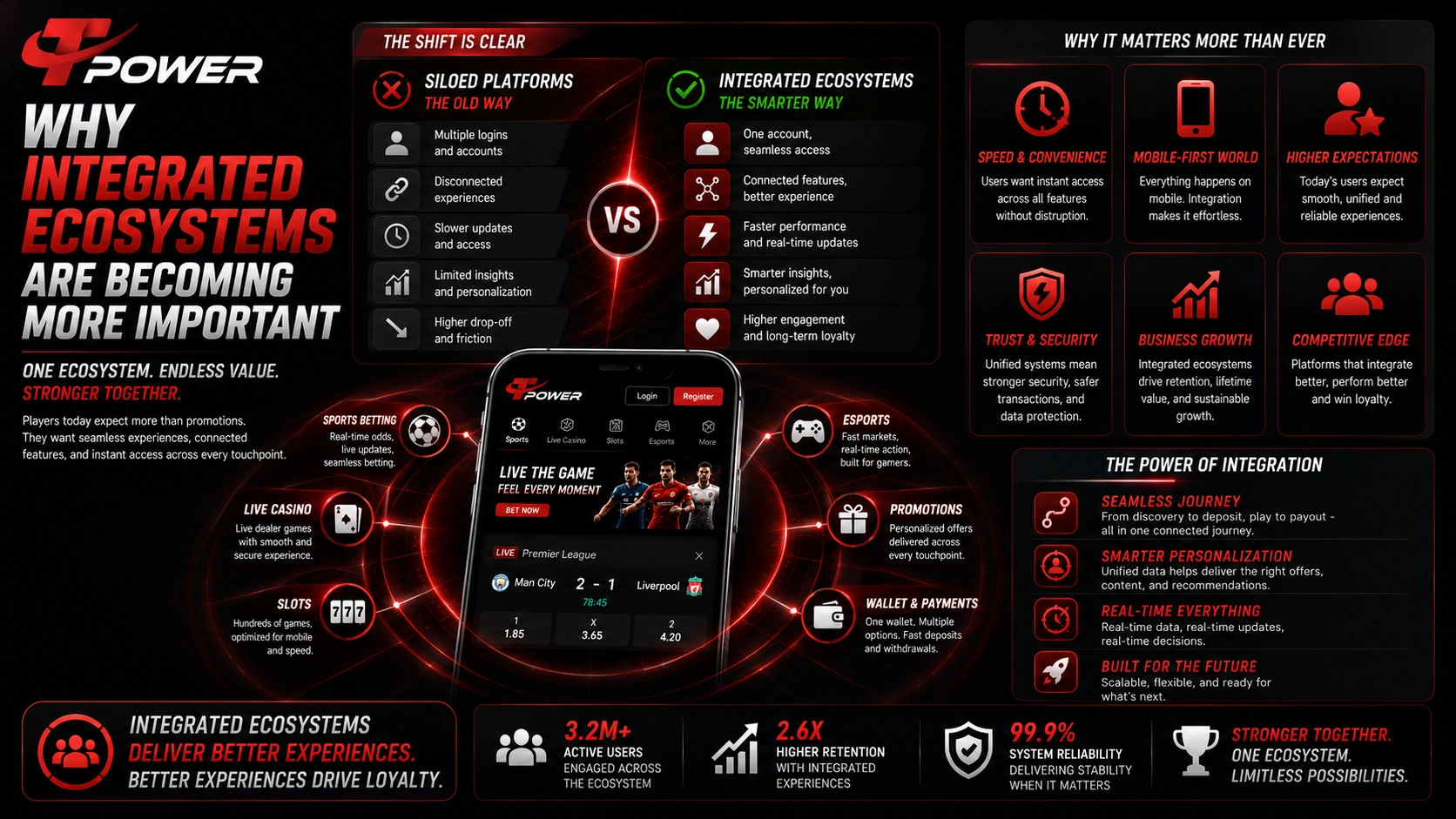
One major trend becoming increasingly noticeable in 2026 is the movement toward more unified platform ecosystems. As user expectations continue evolving alongside mobile-first behavior, many users no longer prefer systems that feel fragmented or disconnected during daily usage.
In earlier years, users were generally more tolerant of moving between separate sections, repeatedly logging into different environments, or navigating through unrelated interfaces just to access various platform features. However, modern browsing habits have changed significantly, especially as smartphones now dominate much of the overall traffic in Malaysia.
Today, users increasingly expect platforms to feel:
- • More connected
- • Easier to navigate
- • Faster during transitions
- • More stable across longer sessions
- • Smoother on mobile devices
Previously, many systems relied heavily on:
- • Disconnected platform sections
- • Repeated login requests
- • Fragmented navigation structures
- • Separate wallet handling
- • Complicated movement between categories
Over time, these structures often created more browsing friction, especially for mobile users switching quickly between sports sections, account areas, and live match pages.
Common Problems With Fragmented Systems
| Fragmented Experience | Effect On Users |
|---|---|
| Repeated Login Requests | Interrupts browsing continuity |
| Separate Navigation Structures | Creates unnecessary confusion |
| Multiple Reloaded Sections | Slows overall interaction |
| Complicated Category Switching | Reduces navigation comfort |
| Disconnected Mobile Layouts | Makes smartphone browsing less smooth |
As a result, users today increasingly prefer platforms that provide:
- • Centralized access
- • Smoother transitions
- • Unified account management
- • Cleaner mobile interaction
- • Easier movement between categories
The importance of this becomes even more obvious during high-traffic football periods where users frequently:
- • Switch between live matches
- • Refresh pages repeatedly
- • Access account sections continuously
- • Navigate across sports categories quickly
During these situations, smoother ecosystem integration often creates a much more comfortable overall experience compared to fragmented systems requiring constant reloading or repeated authentication steps.
Inside tpower , the sports environment connected through M9Bet contributes to this broader navigation structure by supporting smoother movement between account access, sports browsing, and mobile interaction areas within a more centralized ecosystem layout.
As mobile-first behavior continues growing in Malaysia, unified ecosystem structures are likely to become increasingly important because users now place stronger attention on overall usability consistency rather than isolated platform features alone.
Why Simpler Navigation Often Performs Better
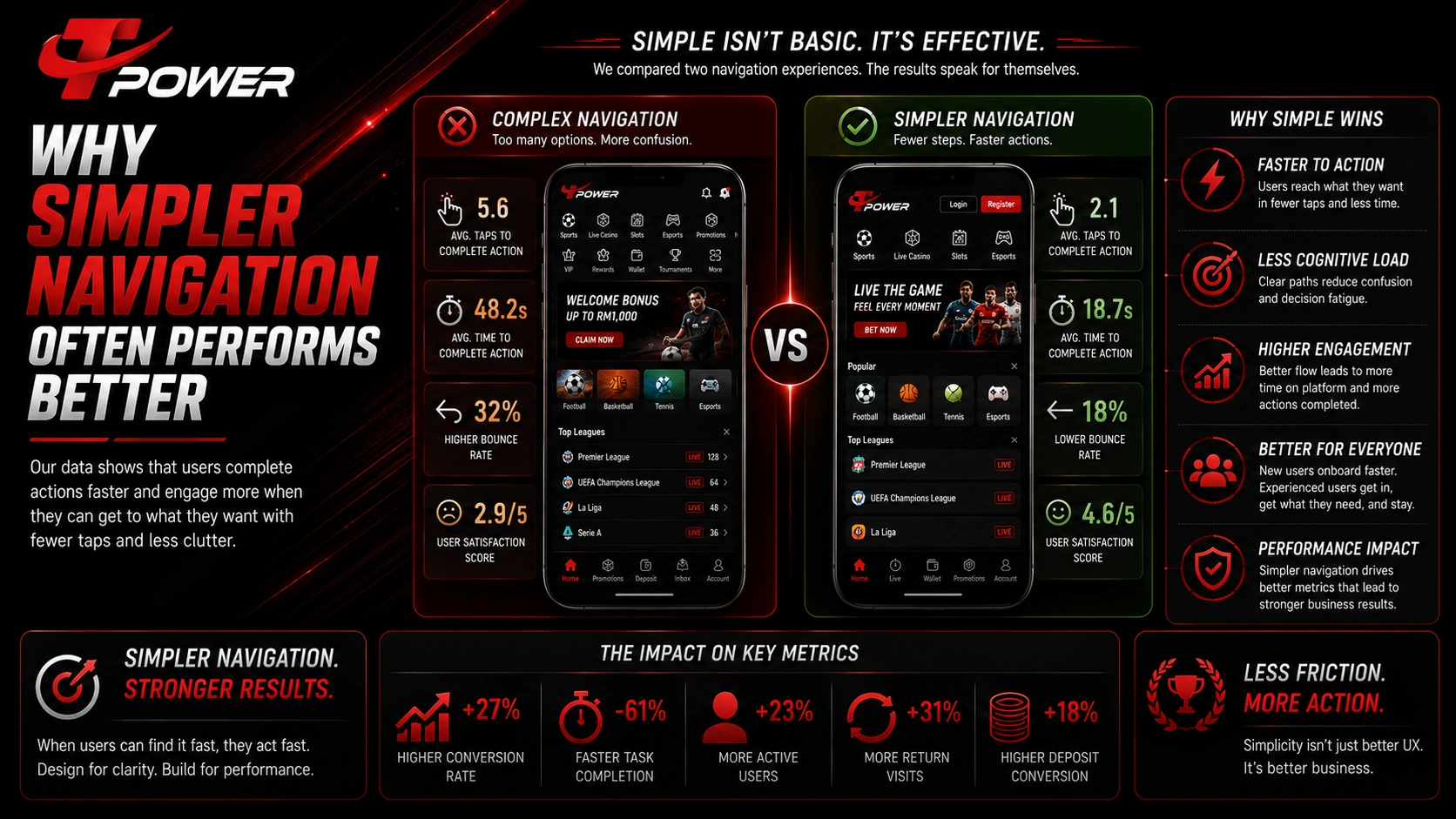
As online sports platforms continue evolving, navigation structure has become one of the most important factors influencing overall user experience. In earlier years, many systems focused heavily on adding more visual elements, larger promotional banners, and increasingly complex interfaces in an attempt to appear more advanced or feature-rich.
However, user behavior today suggests a very different preference.
Modern users increasingly prioritize platforms that feel easier to navigate rather than systems overloaded with excessive visual complexity. Especially on smartphones, overly complicated layouts can quickly create a less comfortable browsing experience during longer sessions.
When interfaces become too crowded, users often experience:
- • Visual fatigue during browsing
- • Slower overall usability
- • More loading requests between sections
- • Navigation confusion on smaller screens
- • Harder category switching during live events
Common Problems Caused By Overly Complex Layouts
| Navigation Issue | Effect On User Experience |
|---|---|
| Visual Clutter | Browsing feels more tiring over time |
| Heavy Interface Elements | Slower loading behavior |
| Complicated Menu Structures | Harder to find categories quickly |
| Excessive Redirects | Interrupts browsing continuity |
| Overloaded Mobile Layouts | Less comfortable smartphone interaction |
This becomes especially noticeable during football nights and high-traffic sports periods where users frequently move between multiple live matches within short periods of time.
For example, during Champions League evenings or weekend football sessions, users often:
- • Refresh match sections repeatedly
- • Browse multiple live events quickly
- • Move between account and sports areas continuously
- • Navigate across categories using one hand on smartphones
In these situations, cleaner navigation structures usually create a smoother overall experience because users can access sections faster without unnecessary visual distraction.
What Modern Users Increasingly Prefer
| Preferred Navigation Style | Why Users Like It |
|---|---|
| Simpler Layouts | Easier to browse during longer sessions |
| Faster Transitions | Improves overall responsiveness |
| Easier Category Access | Reduces navigation frustration |
| Cleaner Mobile Structure | More comfortable smartphone interaction |
| More Consistent Navigation | Helps users move through sections smoothly |
This trend is becoming increasingly obvious across the broader online sports ecosystem because mobile-first behavior now shapes how users evaluate platform quality over the long term. In many cases, smoother usability and cleaner navigation create stronger long-term engagement compared to systems relying mainly on visually overloaded interfaces.
Final Thoughts: How M9Bet Sports Functions Inside TPower Malaysia
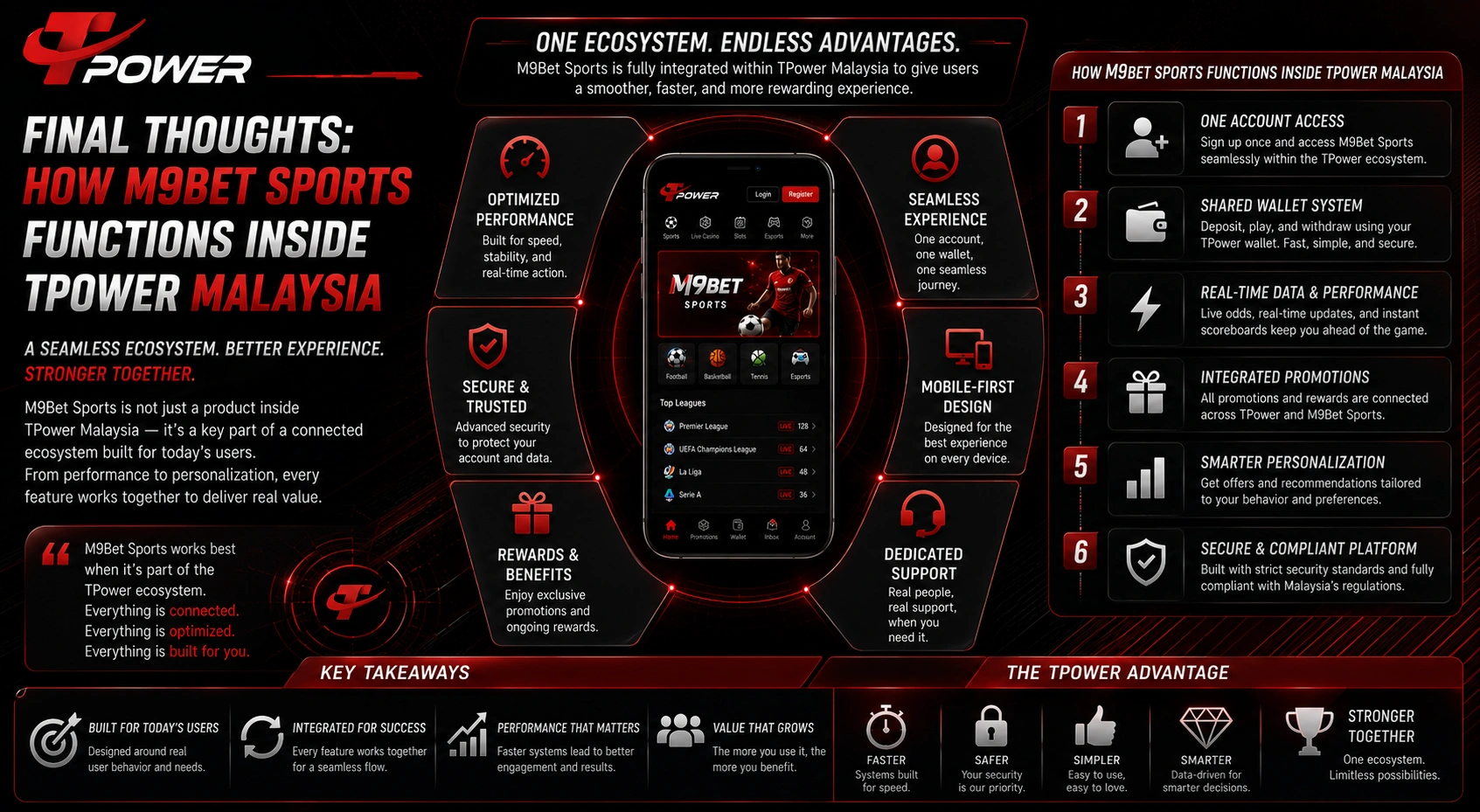
The relationship between M9Bet Sports and the broader TPower ecosystem reflects how online platform expectations are continuing to evolve in Malaysia. Over the past few years, user behavior has gradually shifted away from focusing purely on promotions or visual appearance alone.
Previously, many users evaluated sports platforms mainly based on:
- • Promotional size
- • Bonus visibility
- • Visual presentation
- • Number of available categories
However, modern user expectations are becoming much more focused on actual real-world usability.
Today, users increasingly prioritize:
- • Navigation smoothness
- • Mobile responsiveness
- • Login consistency
- • Stable access during peak hours
- • Real-world browsing comfort
This behavioral shift becomes especially noticeable during:
- • Football events
- • High-traffic evenings
- • Live match periods
- • Champions League nights
- • Mobile-heavy browsing sessions
During these periods, users often interact with platforms much more aggressively by refreshing scores repeatedly, switching between matches quickly, and navigating across multiple sports sections within short periods of time.
Because of this, smoother ecosystem integration now plays a much larger role in shaping long-term platform preference.
Inside the larger TPower environment, the sports-focused structure connected through M9Bet contributes toward a more centralized experience involving:
- • Mobile access
- • Account continuity
- • Sports navigation
- • Ecosystem consistency
- • Smoother category transitions
How Integrated Ecosystems Improve User Experience
| Ecosystem Feature | User Benefit |
|---|---|
| Centralized Access | Easier movement between sections |
| Unified Account Handling | Less repeated login interruption |
| Mobile-Focused Navigation | Smoother smartphone browsing |
| Stable Session Continuity | Better long-duration usability |
| Cleaner Interaction Structure | More comfortable real-time navigation |
As Malaysia’s mobile-first behavior continues growing, platforms capable of maintaining smoother real-time interaction and more stable navigation during actual usage conditions will likely continue building stronger long-term engagement compared to systems relying mainly on aggressive promotional strategies or overloaded visual layouts alone.