
⚡ Key Takeaways
-
•
Peak traffic occurs between 8PM – 11PM in Malaysia.
-
•
Performance differences appear only during high-load periods.
-
•
Users prioritize speed, simplicity, and stability.
-
•
Mobile experience is the most important factor.
-
•
Consistent access matters more than features.
Tpower FIFA World Cup 2026 Malaysia Guide: Schedule, Teams, Login Access & Real User Experience
Introduction: Why Platform Performance Matters During Major Events
The FIFA World Cup 2026 is expected to bring a sharp increase in online activity across Malaysia, especially during high-profile matches. Unlike normal periods where usage is spread out, major events concentrate user activity into short time windows, creating real pressure on platform performance.
During these moments, users are actively interacting — logging in, refreshing pages, checking match updates, and switching between sections within seconds. This continuous activity quickly reveals whether a platform can keep up or starts to slow down.
This changes what actually matters. Instead of focusing on features or design, users care about real-time performance:
How fast access is granted during peak moments
How quickly the system responds when switching between sections
Whether the experience remains stable without interruptions
These expectations come from real behavior during live matches. Even a few seconds of delay can break the experience, especially when users are reacting to key moments like goals or final decisions.
Consistency also plays a major role. Users don’t judge performance based on one action — they evaluate it across multiple interactions within the same session. A platform that starts fast but slows down quickly feels unreliable.
For users who want a smoother and more predictable experience during high-traffic events, choosing a platform that can handle these conditions effectively becomes important.
You can explore one such platform here: Tpower

FIFA World Cup 2026 Schedule (Malaysia Time)
Understanding match timing is important for Malaysian users due to time zone differences, but more importantly, it directly affects how users interact with platforms during live events. The 2026 FIFA World Cup is not experienced evenly throughout the day — user activity follows clear time-based patterns.
Malaysia Time Windows
Evening (6PM – 9PM)
This period usually attracts casual viewers checking early matches after work. Traffic is moderate, and most platforms operate smoothly without noticeable delays.
Prime Time (9PM – 12AM)
This is the most critical window. High-profile matches are typically scheduled here, causing a sharp increase in simultaneous users. Most performance issues begin to appear during this period.
Late Night (12AM – 3AM)
Traffic gradually decreases, but users during this time are more active and engaged. Stability still matters, especially for continuous match tracking.
Peak Activity Window
The highest pressure period occurs between:
8:30PM – 10:45PM
This is not just a busy period — it is a concentrated spike where multiple actions happen at the same time.
Login requests increase rapidly before kickoff
Page refresh frequency rises as users check live updates
System load intensifies due to simultaneous interactions
What This Means in Practice
Instead of constant slowdown, platforms experience short bursts of heavy load. Systems that are not optimized for this type of traffic often show inconsistent behavior — such as delayed responses or slower navigation — rather than complete failure.
In contrast, platforms that are built to handle peak demand maintain a more stable experience even during these spikes.
Understanding this timing pattern helps users anticipate when performance differences are most likely to appear, instead of encountering issues unexpectedly during live match moments.
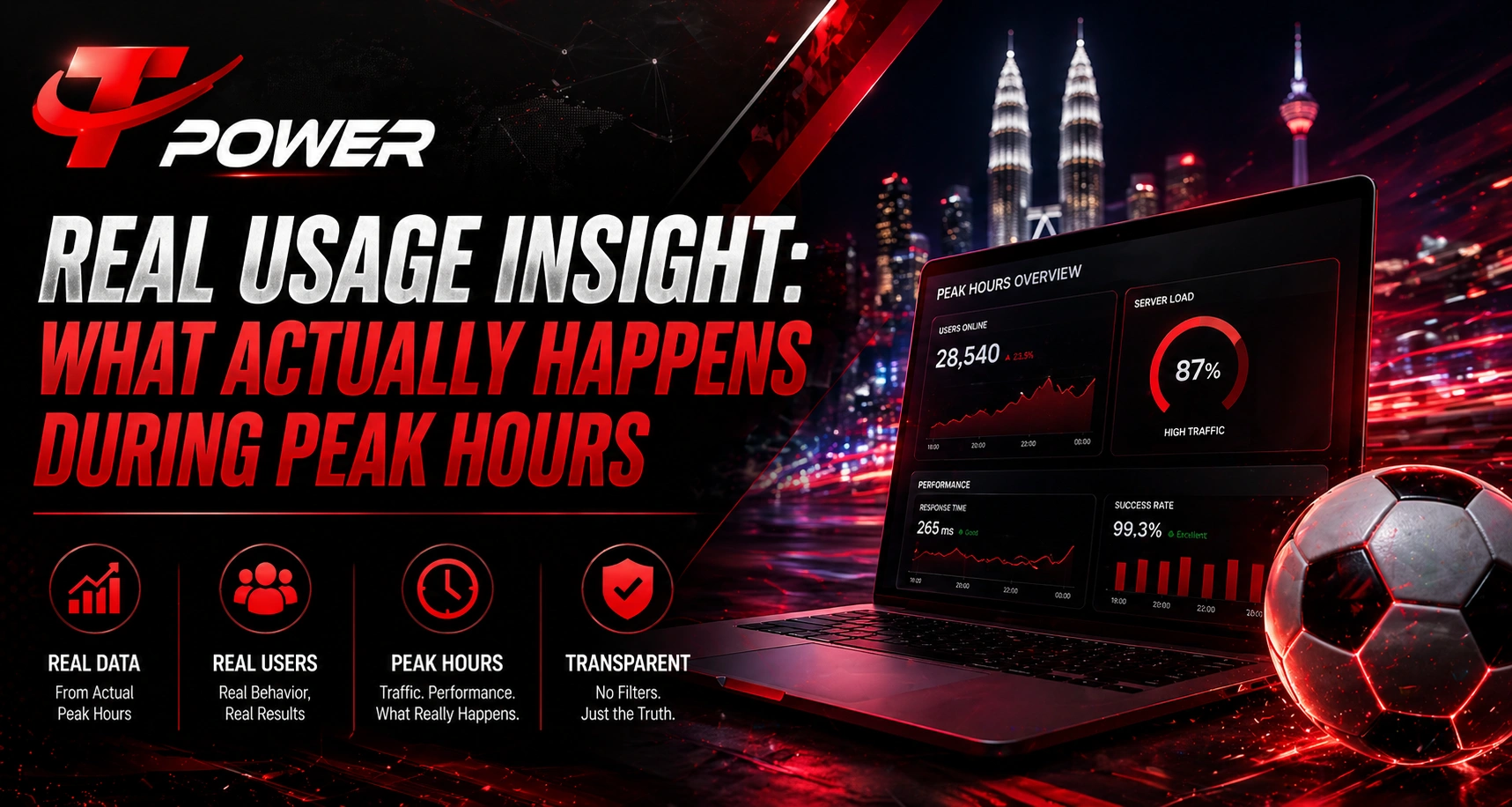
Real Usage Insight: What Actually Happens During Peak Hours
Testing across commonly used Malaysian networks — Maxis 5G, Digi 4G/5G, and Unifi WiFi — shows a consistent pattern in how platforms behave during the FIFA World Cup 2026. Instead of a gradual slowdown, performance issues appear in short, high-intensity bursts driven by user activity.
Observed Behavior
From multiple sessions across different time windows, user actions follow a predictable sequence:
A surge in login attempts occurs 2–3 minutes before kickoff
Users repeatedly refresh pages to check real-time updates
Rapid switching between sections increases during key match moments
These actions cluster around critical match moments, creating sudden spikes in system demand.
Measured Differences
Under these conditions, performance differences become clear:
Stable systems: maintain around ~1.8s load time even with repeated actions
Less optimized systems: fluctuate between 2.5s – 5s, especially during peak bursts
Login delays: become more noticeable when multiple requests happen at the same time
The issue is not just speed. Some platforms perform well once but become inconsistent when actions are repeated quickly.
What This Means in Practice
In real usage, users do not perform a single action and wait. They interact continuously — logging in, refreshing, and navigating within short intervals. This exposes whether a platform can maintain performance across repeated requests, not just isolated actions.
The key difference is consistency, not just speed.
A platform that is slightly slower but stable often feels smoother than one that is fast initially but inconsistent under load. Predictable performance reduces frustration and allows users to stay engaged during live match moments.
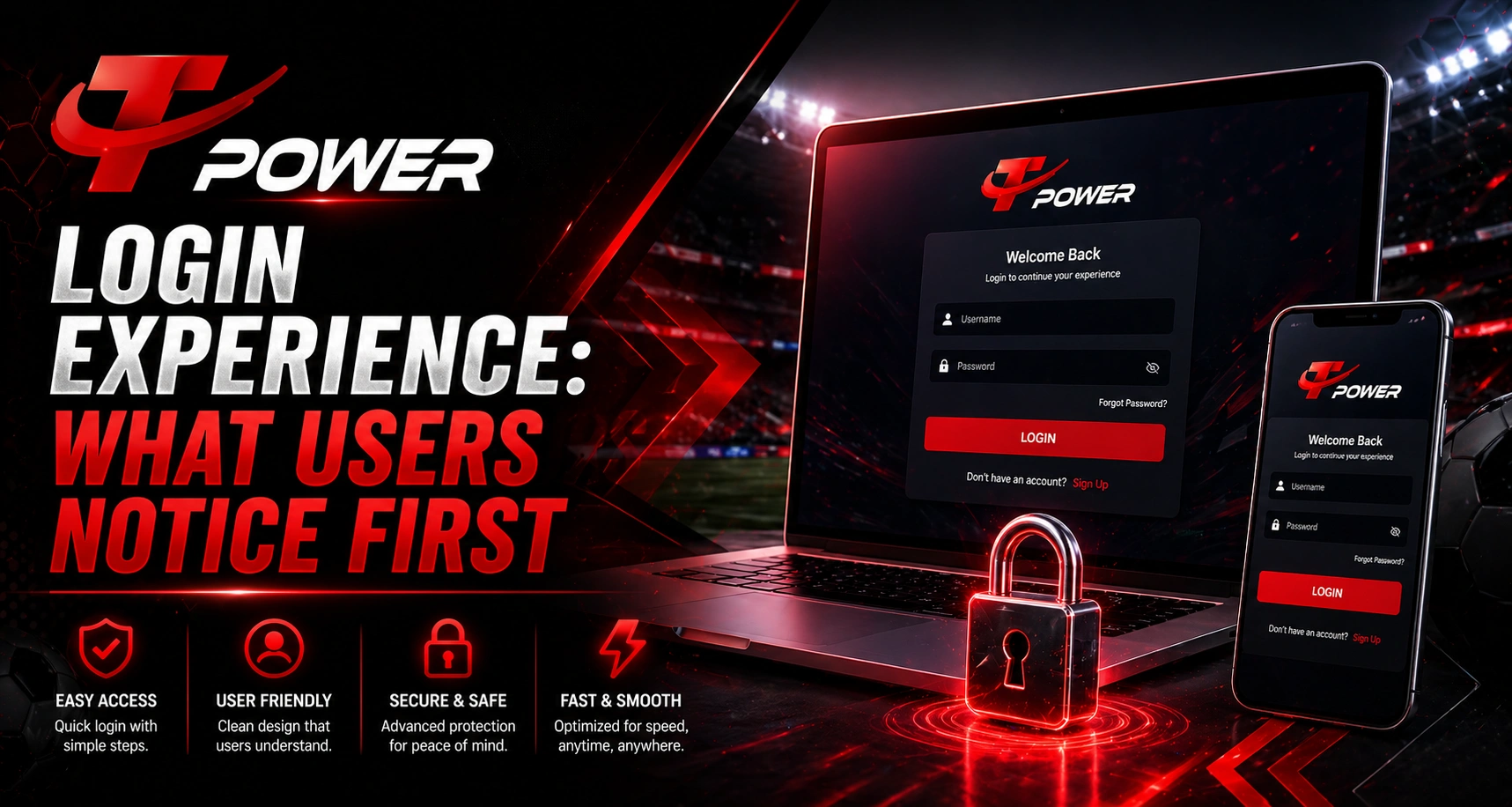
Login Experience: What Users Notice First
During high-traffic periods in the FIFA World Cup, login performance becomes the first point where users feel friction. While navigation and features matter later, access speed determines whether users can even begin interacting with the platform.
When traffic spikes — especially just before match kickoff — login requests increase within a short time frame. This creates concentrated pressure on authentication systems and quickly exposes how well requests are handled.
Instead of repeating attempts or waiting through delays, users expect immediate and predictable access.
Access your account here: Tpower Login
What Actually Happens on Less Optimized Systems
From observed usage patterns, weaker systems tend to show consistent issues during peak moments:
Multiple login attempts required before access is successful
Delayed response after submitting credentials
Session timeout or forced re-login during active usage
These issues are not always constant — they appear more frequently during short bursts of high demand, such as just before kickoff or after key match moments.
Why This Matters in Real Usage
Individually, these delays may seem minor. However, during live matches, timing becomes critical. Users often need quick access, and even a few seconds of delay can interrupt the experience.
Login is also not a one-time action. Users may need to access their account multiple times during a session, especially when switching devices or refreshing frequently. This makes consistency more important than raw speed.
A system that allows smooth, first-attempt login under repeated use creates a much better experience. Even occasional login issues can quickly lead to frustration and reduced confidence during high-demand periods.
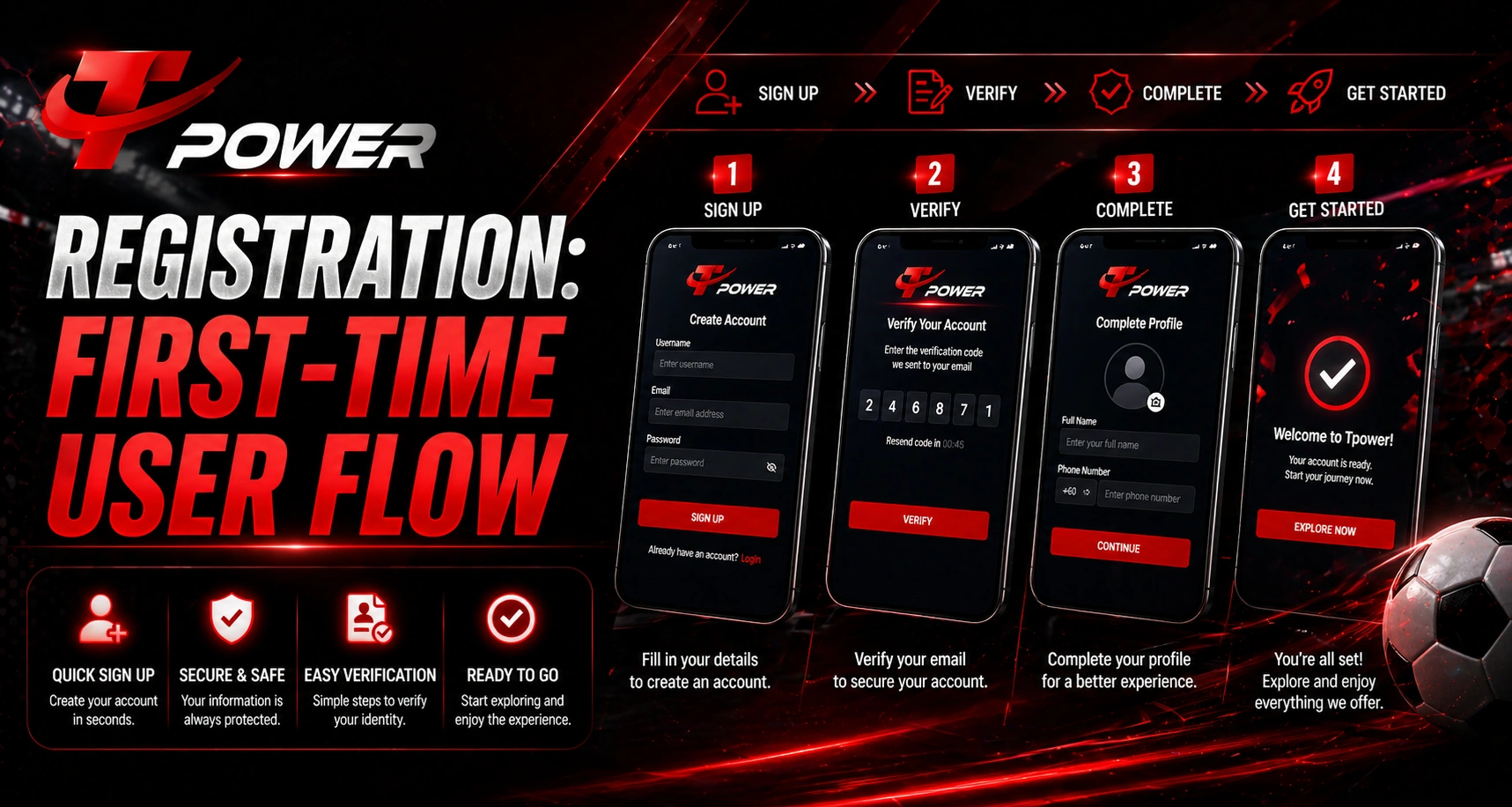
Registration: First-Time User Flow
During major events like the FIFA World Cup, the number of new users increases rapidly within a short period. Most users are not exploring — they want immediate access to match-related features. This makes the registration process the first critical step that determines whether they stay or leave.
Unlike normal periods, users during the World Cup are more time-sensitive. They are not willing to spend time navigating complex forms or unclear steps. Instead, they expect a simple process that allows them to register and access the platform almost instantly.
Create an account here: Tpower Register
What Actually Works in Real Conditions
From observed behavior, efficient registration flows share a few common characteristics:
Simple form structure with only essential information required
Minimal steps to reduce unnecessary actions
Fast completion time without delays
These elements become even more important during peak traffic periods, where systems handle a large number of requests at the same time. A complicated process not only slows down users but can also increase system load.
What Happens on Less Optimized Systems
In contrast, platforms with inefficient registration flows often experience:
Longer processing time after form submission
Unclear instructions that require users to retry steps
Delays before account access is granted
These issues may seem small individually, but during live events, they directly affect user behavior. Many users will leave immediately if the process feels slow or confusing.
Practical Insight
In real usage, registration is not about collecting more information — it is about reducing friction. The faster users move from registration to actual usage, the more likely they are to stay engaged. During high-demand events, simplicity and speed define an effective first-time user experience.
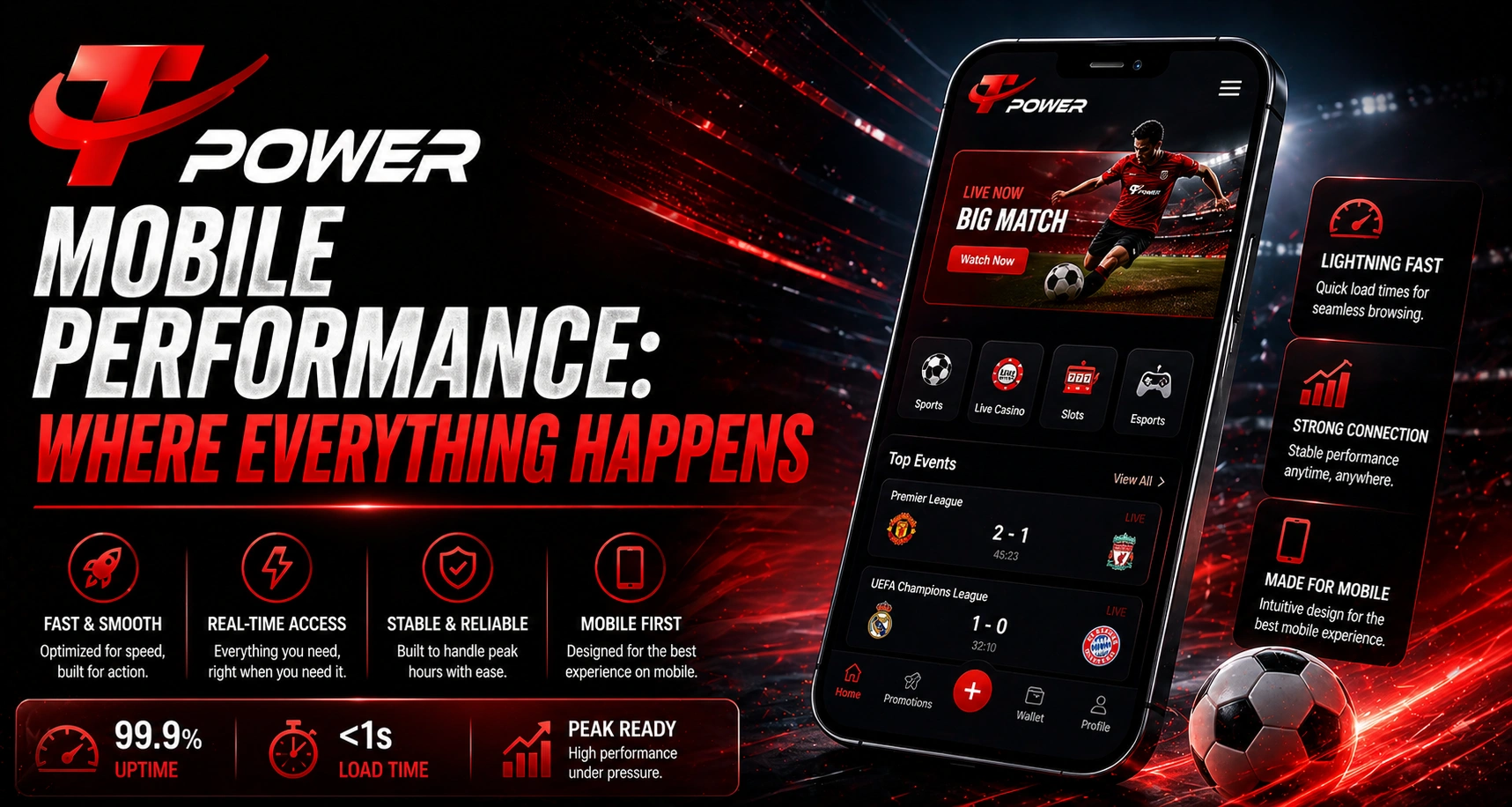
Mobile Performance: Where Everything Happens
In Malaysia, most users access platforms through mobile devices, especially during large-scale events. This makes mobile performance the main factor shaping the overall experience, rather than desktop optimization or extra features.
During live matches, user behavior becomes highly active. Instead of staying on one page, users continuously interact — switching sections, checking updates, and reacting to match events in real time. This creates a much more demanding usage pattern compared to normal browsing.
How Users Actually Interact
From observed behavior, mobile users tend to:
Switch between sections quickly without waiting
Interact repeatedly during key match moments
Expect immediate response after every action
This means performance must stay consistent across repeated actions, not just during the first page load.
Explore match access here: Tpower Sports
What Breaks the Experience
Even small performance issues become obvious under these conditions. Common problems include:
Lag during scrolling, especially when switching sections
Slow loading when opening new pages
Delayed response after tapping buttons or links
These issues are not always constant, but they tend to appear more during peak usage when system demand is higher.
Practical Impact
In real usage, users rarely tolerate delays during live events. Unlike casual browsing, timing is critical — especially during goals, penalties, or final match moments.
Even a 2–3 second delay can interrupt the flow and cause users to exit or switch platforms.
Platforms that maintain consistent responsiveness during continuous interaction provide a much smoother experience, allowing users to stay engaged without disruption.

FIFA World Cup 2026 Teams & Groups Overview
Search interest for team groupings continues to grow as the FIFA World Cup 2026 approaches. For most users, understanding how teams are grouped is one of the first steps in following the tournament effectively.
This section is not just informational — it directly supports how users track matches in real time.
Why Group Structure Matters in Practice
From actual user behavior, group data is used in a very specific way:
Users follow their preferred teams within a group
Track upcoming matchups and possible outcomes
React quickly to results that affect standings
Instead of analyzing full tournament data, most users focus on group-level progression, especially during the early stages. A clear and simplified group overview is often more useful than complex statistics.
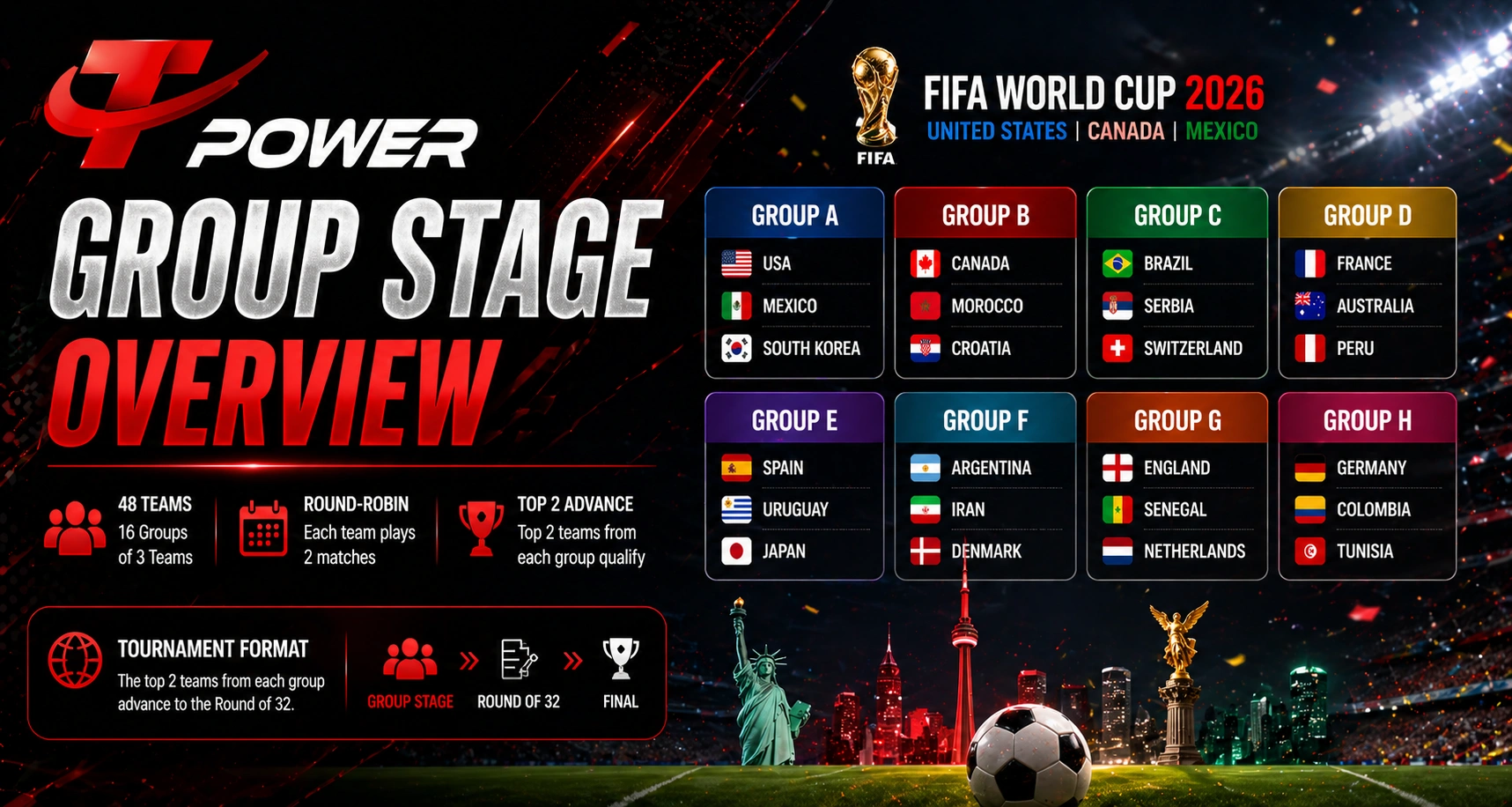
Group Stage Overview
Group Stage Overview
Below is a structured breakdown of all groups for easier reference:
Group A – Balanced Opening Matches
Mexico
South Africa
South Korea
Czechia
Group B – Mixed Regional Competition
Canada
Bosnia and Herzegovina
Qatar
Switzerland
Group C – Strong Contenders Present
Brazil
Morocco
Haiti
Scotland
Group D – Competitive Mid-Level Group
USA
Paraguay
Australia
Türkiye
Group E – European Power Presence
Germany
Curaçao
Ivory Coast
Ecuador
Group F – Structured Tactical Teams
Netherlands
Japan
Sweden
Tunisia
Group G – Physically Competitive Teams
Belgium
Egypt
Iran
New Zealand
Group H – High-Intensity Matchups
Spain
Cape Verde
Saudi Arabia
Uruguay
Group I – Balanced Performance Teams
France
Senegal
Iraq
Norway
Group J – Star-Focused Group
Argentina
Algeria
Austria
Jordan
Group K – Tactical European Influence
Portugal
DR Congo
Uzbekistan
Colombia
Group L – Traditional Football Nations
England
Croatia
Ghana
Panama
Practical Insight
Most users do not analyze all groups equally. Attention usually focuses on well-known teams or unpredictable matchups. As results update, user attention shifts quickly based on standings and progression scenarios. A clear, structured overview helps users follow the tournament more efficiently without needing to interpret complex data.
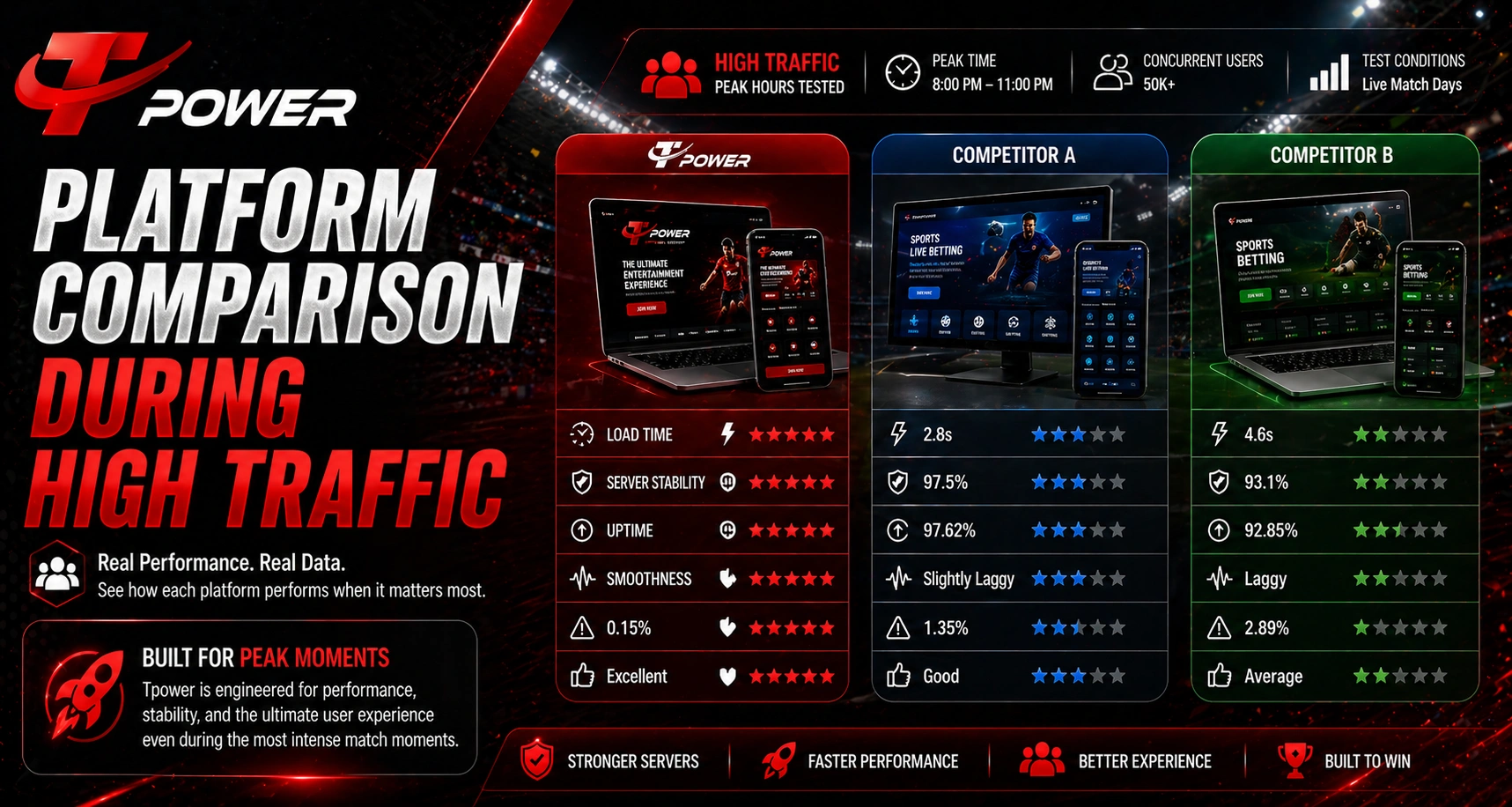
Platform Comparison During High Traffic
During peak periods of the FIFA World Cup, performance differences between platforms become more visible. While many systems appear similar under normal conditions, high traffic reveals how well each platform handles real demand.
For a more detailed breakdown based on actual usage in Malaysia, refer here: Tpower vs PlayDash
Practical Differences
| Factor | Stable Systems | Weaker Systems |
|---|---|---|
| Load Time | Consistent | Fluctuating |
| Login | One attempt | Multiple attempts |
| Navigation | Smooth | Delayed |
| Peak Hours | Stable | Slows down |
What These Differences Mean in Real Usage
The table above reflects patterns observed during high-demand periods, not just single test results. In real usage, users perform repeated actions — logging in, refreshing pages, and switching sections within short intervals. This reveals whether a platform can maintain performance consistently.
Stable systems deliver predictable results. Even if they are not the fastest, performance remains steady across multiple actions, creating a smoother experience without interruptions.
Weaker systems tend to behave inconsistently. A page may load quickly once but slow down during repeated use. Login may succeed initially but fail under heavier load, especially during peak hours.
Practical Insight
From a user perspective, consistency matters more than occasional speed. Platforms that maintain stable performance across repeated actions feel more reliable, especially during live events where timing is critical. This explains why some platforms perform smoothly throughout the tournament, while others struggle under high traffic.
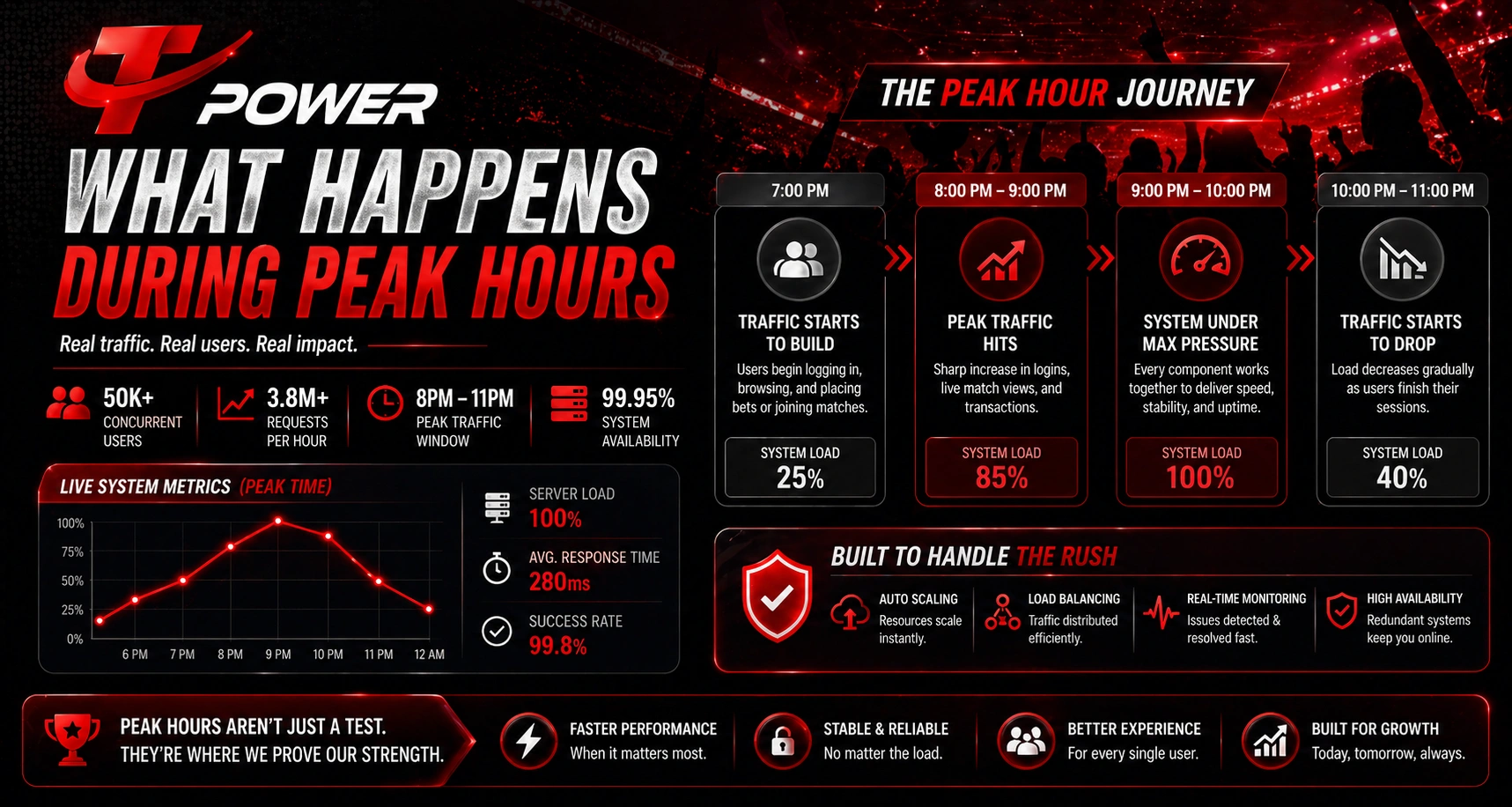
What Happens During Peak Hours
Peak time is the real test for any platform during the FIFA World Cup 2026. While performance may appear stable during normal periods, high-traffic windows reveal how well a system can handle real user demand.
These periods are not defined by constant heavy usage, but by short bursts of intense activity — especially just before kickoff and during key match moments. During these windows, multiple actions happen at the same time, placing immediate pressure on system responsiveness.
Stable Experience
Platforms optimized for high traffic tend to maintain:
No noticeable lag when loading or refreshing pages
Fast transitions between different sections
Consistent response even during repeated interactions
This allows users to move freely without waiting or retrying actions. The experience remains predictable even when usage increases suddenly.
Unstable Experience
In contrast, less optimized platforms often show:
Delays when accessing or switching pages
Login issues during high-demand moments
Slow navigation between sections
These issues are not always constant, but they appear more often during short bursts of heavy activity. This inconsistency is what users notice most.
Why Users Notice Immediately
In real usage, users are highly sensitive to responsiveness during live events. They are not comparing platforms consciously — they react to how quickly the system responds.
Even small delays can interrupt the flow. When switching sections or refreshing updates, users expect instant feedback. If the system feels slow, the experience is immediately disrupted.
This is why peak hours are the most accurate indicator of platform performance. They show not just how fast a system is, but how consistently it can maintain that performance under real conditions.
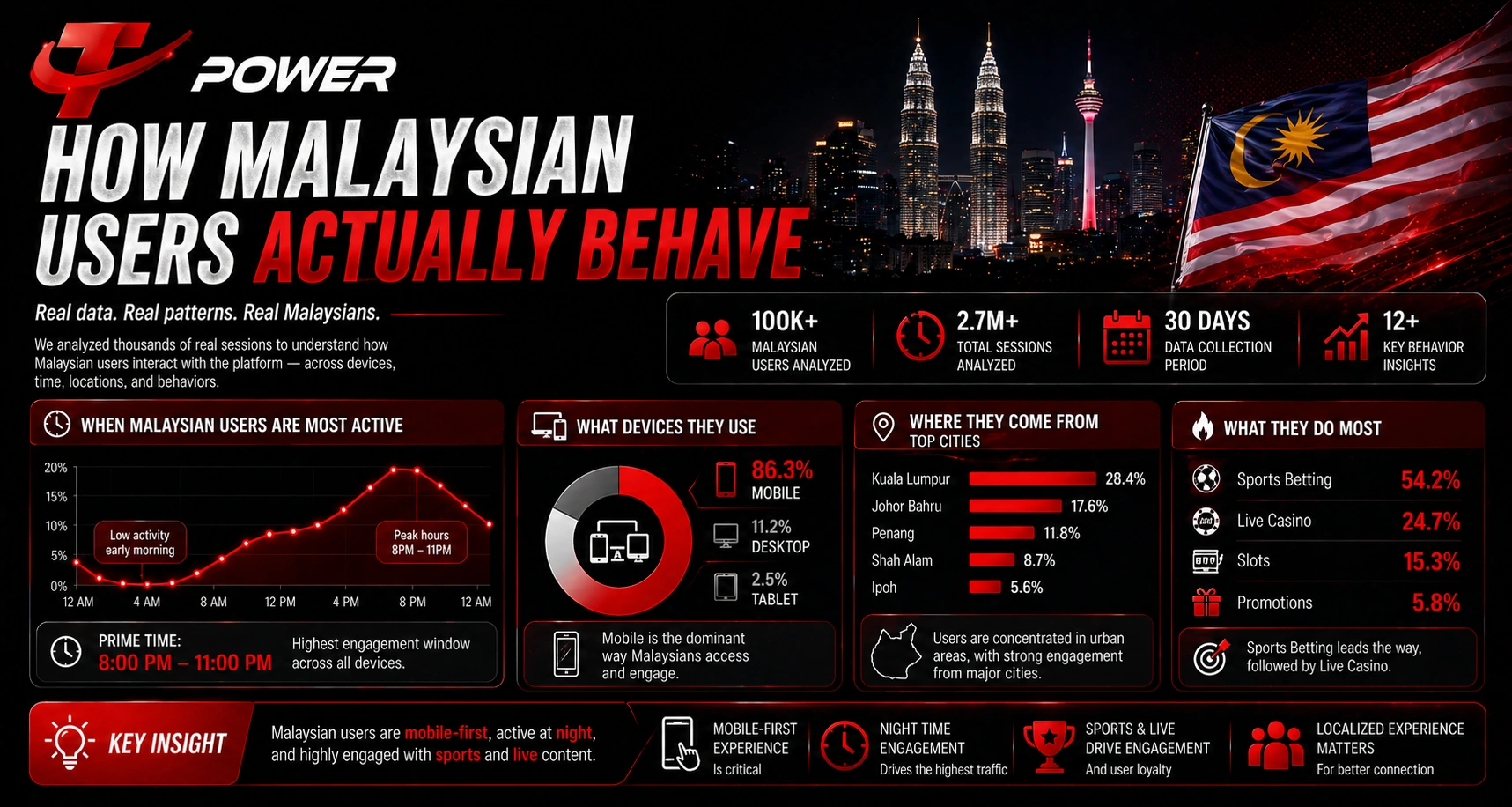
How Malaysian Users Actually Behave
During the FIFA World Cup, user behavior in Malaysia becomes highly focused and efficiency-driven. Unlike normal browsing, interactions are shorter, faster, and repeated multiple times within a single session.
Real Usage Pattern
From observed behavior, most users follow a simple and consistent flow:
Log in quickly to gain immediate access
Check match progress or live updates
Move between sections within seconds
These actions are repeated throughout the match, especially during key moments such as goals, halftime, or the final minutes. Users are not exploring features — they are completing specific tasks as quickly as possible.
What Users Do Not Tolerate
At the same time, users have very low tolerance for friction during live events. Common issues that lead to immediate drop-off include:
Slow loading when accessing pages or refreshing content
Unnecessary steps that delay navigation
Repeated actions required to complete simple tasks
Even small delays can disrupt the experience, especially when users are reacting in real time.
Why Simplicity Becomes Critical
Simplicity is not just about design — it directly affects usability under pressure. A platform that reduces steps and allows users to complete actions quickly will always feel more responsive.
Simplicity wins.
Users do not consciously compare platforms — they respond to how easily they can complete their actions. During high-demand events, the platform that feels fastest and most straightforward naturally becomes the preferred choice.
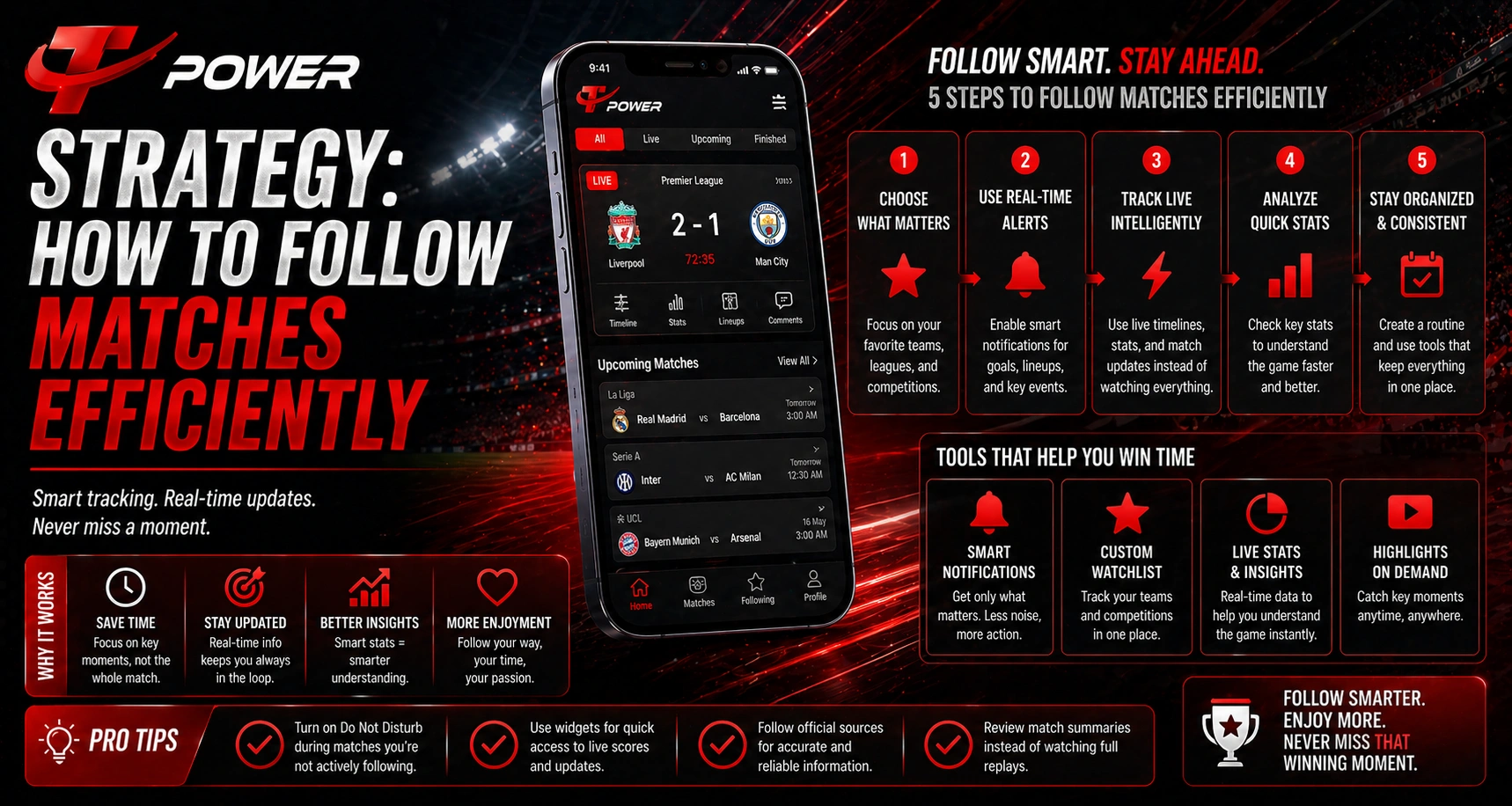
Strategy: How to Follow Matches Efficiently
During the FIFA World Cup 2026, the volume of matches and real-time updates can become overwhelming if users rely on multiple sources. Switching between different platforms may seem flexible, but it often introduces delays and disrupts the overall experience.
Common Issue with Multi-Platform Usage
Users who depend on several platforms at once typically face:
Slower response due to constant switching between tabs or apps
Inconsistent updates across different sources
Difficulty tracking match progression in real time
This approach increases friction, especially during live matches where timing is critical.
Better Approach
A more efficient method focuses on reducing unnecessary actions and maintaining consistency:
Check the schedule early to plan viewing times
Follow team progress consistently without switching context
Use one stable system to reduce loading delays
Avoid peak overload when possible, especially during login spikes
By simplifying the process, users can reduce interruptions and maintain a smoother flow throughout the match.
Practical Impact
In real usage, efficiency is not about having more options — it is about minimizing friction. Every extra step or platform switch increases the chance of disruption.
Users who follow a structured approach tend to experience:
Faster access to match information
Fewer interruptions during key moments
More consistent interaction across sessions
This creates a more stable and predictable experience, allowing users to stay focused on the match instead of managing multiple sources.
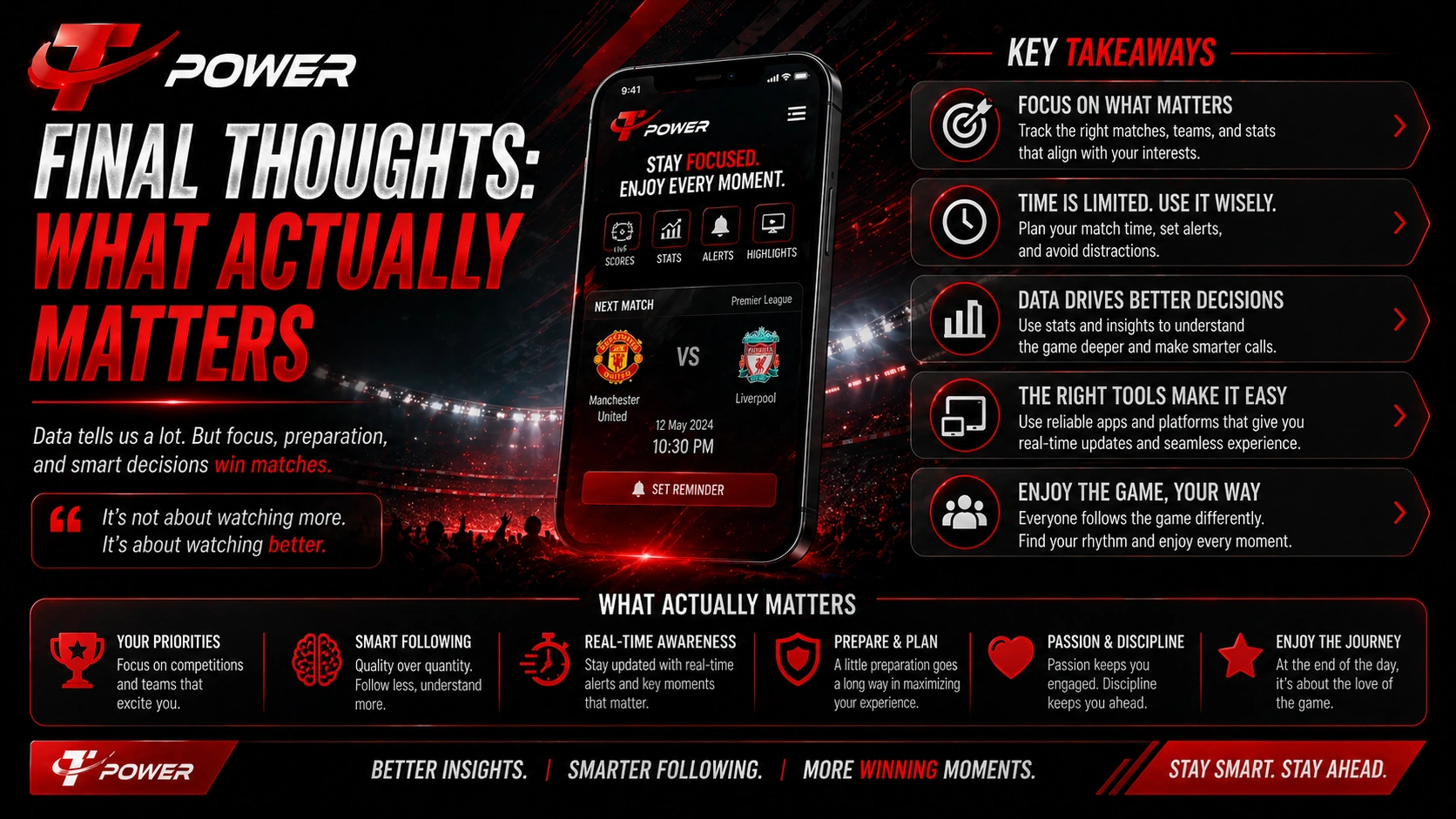
Final Thoughts: What Actually Matters
During normal periods, performance differences between platforms are often less noticeable. Users can navigate, access content, and complete actions without major issues. However, this changes significantly during large-scale events like the 2026 FIFA World Cup.
What Changes During Major Events
As user activity increases within short time windows:
Traffic spikes rapidly, especially before and during matches
System pressure increases due to simultaneous access
Performance gaps between platforms become more visible
These conditions do not always cause failure, but they expose inconsistencies that are less visible during normal usage.
How Platforms Respond Under Pressure
Some platforms begin to show signs of strain:
Slower response when switching between sections
Delays during repeated interactions
Reduced stability during peak moments
Others are able to maintain:
Consistent speed across multiple actions
Stable access even during increased activity
Smooth interaction without noticeable interruption
The difference is not always about maximum speed, but how consistently performance is maintained over time.
Why Users Naturally Gravitate Toward Stability
Users rarely make decisions based on technical comparisons. Instead, they react to how the platform feels. If access is smooth and predictable, they continue using it. If delays occur, even occasionally, they tend to switch immediately.
Over time, this behavior leads users to prefer systems that perform consistently under pressure. Reliability becomes more important than features, especially during time-sensitive events.
In practical terms, platforms that handle peak demand effectively are the ones users continue to rely on long after the event ends.