
⚡ Key Takeaways
-
Trust should be evaluated, not assumed
Always assess a platform based on structure, security, performance, and transparency instead of relying on opinions alone. -
Most “scam concerns” are often technical issues
Login problems, slow withdrawals, or loading delays are usually caused by system maintenance, user errors, or external factors — not necessarily signs of a scam. -
A legitimate platform shows consistent behavior
Clear navigation, stable performance, and predictable user experience are strong indicators of a well-managed system. -
Security basics matter more than advanced features
HTTPS encryption, proper login handling, and safe browsing habits play a key role in protecting user data. -
Transparency builds long-term confidence
Platforms that clearly explain their features, terms, and conditions reduce confusion and improve user trust. -
Customer support reflects platform reliability
Accessible and responsive support ensures users are not left dealing with issues alone. -
Comparison helps reveal real differences
Evaluating multiple platforms side by side provides better insight than relying on a single experience. -
User safety depends on personal habits too
Using official links, protecting login details, and monitoring account activity are essential practices. -
Consistency matters more than perfection
Occasional issues are normal, but repeated or unresolved problems may require closer attention.

Is Tpower Legit or Scam? What Malaysian Users Should Know (2026 Guide)
When it comes to online platforms in Malaysia, one of the most common questions users ask before getting started is simple: “Is this platform legit or is it a scam?”
This concern is not only valid — it has become a standard part of how users evaluate any platform today. With the rapid growth of digital services, more websites are becoming available, but not all of them operate with the same level of quality, transparency, or reliability. As a result, users are no longer making quick decisions. Instead, they are researching, comparing, and observing before taking any action.
In Malaysia, this cautious behavior has become even more noticeable. Users are paying closer attention to how platforms perform, whether they are secure, and how consistent the experience is over time. Even minor issues such as login errors or delays in transactions can raise doubts and lead users to question whether a platform is trustworthy.
Among the platforms that frequently appear in search results, one name that continues to gain attention is Tpower. Some users are actively looking for access through the Tpower Login, while others are exploring how to get started using the Tpower Register. At the same time, there are also users who are taking a step back and asking a more important question — “is it actually safe to use?”
This guide is designed to answer that question in a practical and realistic way. Rather than relying on exaggerated claims, we will evaluate the platform based on structure, security, usability, and real user concerns. By the end of this guide, you will not only understand how this platform works, but also how to evaluate any similar platform with confidence.

Why Users Are Asking This Question
Before evaluating whether any platform is legitimate, it is important to first understand why users are asking this question in the first place. This context matters, because it reflects how people interact with online platforms today and what they expect from them.
In Malaysia, the digital landscape has expanded rapidly over the past few years. More platforms are becoming accessible, and users now have more choices than ever before. While this creates convenience and variety, it also introduces a level of uncertainty. Not every platform operates with the same level of quality, structure, or transparency. Some are well-managed and reliable, while others may lack consistency or proper support systems.
Because of this, users have become more cautious in their decision-making process. Instead of jumping in immediately, they tend to observe, compare, and question before committing their time or resources. This shift in behavior is not driven by fear alone, but by past experiences — either personal or shared by others.
In many cases, concerns start to develop when users encounter specific issues during their interaction with a platform. For example:
- Difficulty logging in can create doubts about system reliability
- Delayed withdrawals may lead to concerns about transaction handling
- Unclear bonus terms can make users feel misled or confused
- Poor customer support reduces confidence in problem resolution
- Inconsistent performance affects overall trust and usability
It is important to note that not all of these issues automatically indicate a scam. In fact, many of them can be caused by temporary technical problems, high traffic periods, or user-side errors. However, from a user’s perspective, repeated or unexplained issues can quickly lead to suspicion.
As a result, search behavior has evolved. Instead of only looking for access or features, users are now actively searching for reassurance. Queries such as “legit or scam” have become part of normal research behavior, not just for this platform, but for almost any platform that gains attention online.
This shift highlights a key reality: trust is no longer assumed — it must be evaluated.

What Makes an Online Platform Legitimate?
To properly evaluate whether an online platform is legitimate, it is important to rely on objective criteria rather than assumptions or isolated opinions. Many users tend to judge a platform based on a single experience, but a more accurate approach is to observe how it performs consistently across several key areas. These areas reflect not only how the platform is built, but also how it is maintained over time.
A legitimate platform usually demonstrates strong performance in the following aspects:
1. Clear Website Structure
A well-structured platform plays a crucial role in shaping the user’s first impression. From the moment a user lands on the homepage, the layout should immediately provide clarity on where to go and what actions can be taken next. Users should not need to guess or spend time figuring out how the platform works. Instead, the navigation should feel intuitive, guiding them naturally toward key sections such as login, registration, and support.
Clarity in navigation is especially important for new users who may be visiting the platform for the first time. When menus are clearly labeled and positioned logically, users can move from one step to another without hesitation. For example, accessing an account, exploring features, or finding assistance should require minimal effort. This reduces friction and creates a smoother overall experience, which is essential for building trust early on.
However, structure is not only about how things look — it is also about how well they function. A properly maintained platform ensures that every page loads correctly, every button responds as expected, and every link leads to the correct destination. These small details often go unnoticed when everything works smoothly, but they become immediately obvious when something is wrong. Even a single broken link or unresponsive button can disrupt the user journey and create doubt about the platform’s reliability.
Consistency across pages is another important aspect of good structure. When the design and layout remain uniform throughout the platform, users can navigate with confidence, knowing that each section will behave in a predictable way. This consistency reduces confusion and helps users focus on their actions rather than trying to adapt to changing layouts.
On the other hand, a disorganized or incomplete structure can quickly raise concerns. Missing pages, outdated content, or navigation that leads nowhere can make the platform feel unreliable. While these issues may seem minor at first glance, they often suggest that the platform is not being actively maintained. Over time, this lack of attention can affect user confidence and lead to hesitation in continued use.
In simple terms, a clear and functional website structure does more than improve usability — it builds trust through consistency, reliability, and ease of use.
2. Secure Connection (HTTPS)
Security is one of the most important factors users consider when evaluating any online platform, especially when personal information and account access are involved. Without proper protection, even a well-designed platform can quickly lose user trust. This is why a secure connection is not just an added feature — it is a basic requirement.
A secure website typically uses HTTPS, which can be identified by the padlock icon displayed in the browser’s address bar. This indicates that the connection between the user’s device and the platform is encrypted. In simple terms, encryption ensures that any data transmitted, such as login details or personal information, cannot be easily intercepted or read by unauthorized parties during the process.
While this may seem like a technical detail, it has a direct impact on user safety. Without encryption, sensitive data becomes vulnerable, especially when accessed over public or unsecured networks. This increases the risk of information being exposed, which can lead to unauthorized access or account-related issues. For users, even the possibility of this happening is enough to raise concern.
However, it is important to understand that HTTPS represents a foundational level of security rather than a complete solution. It confirms that the connection is protected, but users should still take additional precautions when accessing any platform. One of the simplest and most effective habits is verifying the website address before entering any information. Small differences in a domain name can sometimes lead to unofficial or misleading versions of a platform.
In addition, users should avoid saving login details on shared devices and be cautious when accessing accounts through public networks. These small steps, combined with a secure connection, significantly reduce potential risks.
Ultimately, HTTPS acts as a first line of defense. It does not guarantee complete safety on its own, but it establishes a necessary level of protection that every legitimate platform is expected to provide.
3. Transparent Features and Terms
Transparency plays a critical role in building long-term trust between a platform and its users. When users clearly understand how a system works, they are more likely to feel confident in using it. On the other hand, uncertainty often leads to hesitation, especially when important details are not clearly explained.
A legitimate platform avoids vague descriptions or overly complicated systems that require users to interpret unclear information. Instead, it presents its features in a straightforward and structured manner. Users should be able to understand what they are accessing, how different functions operate, and what conditions apply without needing to search for hidden details.
This level of clarity is particularly important when it comes to areas such as account usage, platform rules, and promotional structures. For example, if a platform offers incentives or rewards, the requirements should be clearly stated in simple terms. Users should know what actions are needed, what limitations exist, and what outcomes to expect. When this information is easy to understand, it reduces the likelihood of misunderstandings and creates a smoother overall experience.
Clear communication also reflects how much a platform values its users. When everything is explained openly, it shows that the platform is not trying to mislead or confuse. This builds confidence over time, as users begin to trust that what they see is what they get.
In contrast, platforms that rely on complex wording or incomplete explanations often create unnecessary confusion. Users may feel unsure about what they are agreeing to or may discover conditions only after they have already taken action. This can lead to frustration and, in some cases, cause users to lose trust entirely.
It is also worth noting that transparency is not only about written terms, but also about consistency. Information should remain aligned across different sections of the platform, ensuring that users receive the same understanding regardless of where they look.
Ultimately, when features and terms are presented clearly and consistently, users can make informed decisions with confidence, which is one of the strongest indicators of a legitimate and well-managed platform.
4. Consistent System Performance
Stability is one of the most important factors when evaluating any online platform. While design and features may attract attention at first, it is consistent performance over time that determines whether users will continue to trust and use the platform. A system that runs smoothly allows users to focus on their actions without being interrupted, which directly improves the overall experience.
A well-functioning platform should load within a reasonable time, even during peak usage periods. Pages should transition smoothly without lag, and actions such as logging in, navigating between sections, or accessing different features should feel seamless. These elements may seem simple, but they play a significant role in how users perceive reliability. When everything works as expected, users are less likely to question the platform’s stability.
Consistency across different devices is equally important. Whether a user accesses the platform on a desktop, tablet, or mobile phone, the experience should remain stable and predictable. Layouts should adapt properly to screen sizes, and features should function without significant differences. This ensures that users can rely on the platform regardless of how they choose to access it.
It is also important to consider how the system behaves over time. Occasional technical issues can happen on any platform, especially during updates or periods of high traffic. However, repeated problems such as slow loading speeds, error messages, or unexpected downtime may indicate deeper technical limitations. From a user’s perspective, these repeated disruptions create frustration and reduce confidence in the platform.
Another aspect of consistent performance is session stability. Users should be able to remain logged in without frequent interruptions or forced logouts. Sudden disconnections can disrupt the user journey and lead to concerns about system reliability.
Ultimately, consistent performance builds trust through predictability. When users know that the platform will function reliably each time they access it, they are more likely to continue using it without hesitation.
5. Accessible Customer Support
Customer support plays a crucial role in shaping how users perceive a platform, especially when something does not go as expected. Even the most stable systems can encounter occasional issues, and during those moments, the availability of reliable support becomes one of the most important factors. How a platform responds to user concerns often reflects how well it is managed behind the scenes.
A legitimate platform typically provides multiple ways for users to seek assistance. These may include live chat, messaging systems, or other direct communication channels. More importantly, these options should be easy to find and access without requiring users to navigate through complicated steps. When support is clearly visible and readily available, it gives users confidence that help is within reach whenever needed.
Responsiveness is just as important as accessibility. Users expect timely replies, especially when dealing with issues related to account access, transactions, or technical difficulties. A helpful response should not only address the issue but also provide clear guidance on what steps to take next. When support teams are able to resolve concerns efficiently, it reduces frustration and allows users to continue using the platform without unnecessary delays.
Another important aspect of effective support is consistency. Users should receive accurate and reliable information regardless of when or how they reach out. This helps build trust over time, as users begin to feel confident that their concerns will be handled properly. In situations where immediate resolution is not possible, clear communication and updates can still make a significant difference in maintaining user confidence.
On the other hand, slow or unresponsive support can quickly create doubt. When users are left waiting without clear answers, even small issues can feel more serious than they actually are. Over time, this lack of support can reduce overall trust, regardless of how well the platform performs in other areas.
In simple terms, accessible and responsive customer support does more than solve problems — it reassures users that they are not navigating the platform alone.

Evaluating Tpower Based on Real Factors
To better understand how the platform performs, it is useful to break down key evaluation areas into a structured format. This allows users to quickly assess important factors without needing to go through long explanations.
| Evaluation Area | Observation | What It Means for Users |
|---|---|---|
| Interface & Structure | Clean and organized layout | Easy navigation, less confusion |
| Security | Uses encrypted connection | Basic protection for user data |
| Performance | Stable with smooth page transitions | Consistent and reliable experience |
| Usability | Simple and easy-to-understand system | Suitable for both new and existing users |
Interface and Navigation
One of the first aspects users notice is how the platform is structured. The layout is relatively clean, with key sections such as login access, account setup, and navigation menus positioned in a logical way. This reduces unnecessary searching and allows users to move through the platform more efficiently.
For new users, this is especially important. A clear structure eliminates guesswork and helps them understand how to access features without confusion. When navigation feels natural, it creates a smoother overall experience and encourages continued use.
Security and Data Protection
From a security standpoint, the platform applies standard encryption practices to protect user information during access. This includes safeguarding login credentials and general activity within the system.
While no platform can guarantee absolute security, this level of protection meets the baseline expectation for online services. Users are still encouraged to take personal precautions, such as verifying the correct website and avoiding unsecured networks, to further reduce potential risks.
System Performance and Stability
Performance plays a major role in how users perceive reliability. The system generally maintains stable behavior, with pages loading within a reasonable timeframe and transitions between sections remaining smooth.
Session stability is another important factor. Users are able to stay engaged without frequent interruptions, which contributes to a more consistent experience. This reliability helps build confidence over time, as users know what to expect each time they access the platform.
Feature Simplicity and Usability
Another noticeable strength is how the platform presents its features. Instead of overwhelming users with complex structures, it focuses on simplicity and clarity.
Users can understand how different sections function without needing detailed instructions. This is particularly beneficial for those who may not have prior experience with similar platforms, as it reduces confusion and improves accessibility.
Overall Assessment
When evaluated across structure, security, performance, and usability, the platform reflects a system that is designed to be accessible and manageable for everyday users. The balance between simplicity and functionality allows users to interact with confidence, without feeling overwhelmed by unnecessary complexity.
Common Concerns: Scam Signals vs Reality
Many users tend to associate unexpected issues with potential scams, especially when something does not go as expected. However, not all problems indicate serious risks. In many cases, these issues are temporary and can be explained by normal system behavior or external factors.
To better understand this, the table below highlights common concerns and what they actually mean:
Common Issues vs Actual Explanation
| Common Concern | Possible Cause | What It Actually Means | Recommended Action |
|---|---|---|---|
| Cannot login | Wrong password, cache issue, maintenance | Usually a temporary technical issue | Recheck details, clear cache, retry |
| Slow or delayed withdrawal | Bank processing, verification checks | Normal processing delay in some cases | Wait and monitor status |
| Website loading slow | High traffic or network connection | Temporary performance fluctuation | Refresh or switch network |
| Promotions unclear | Misunderstanding of terms | Not always hidden, may need review | Read terms carefully |
| Support response slow | High volume of user requests | Delay, not necessarily a lack of support | Wait or follow up |
Understanding the Difference Matters
It is important to recognize that most of these issues are not direct indicators of a scam. Instead, they are often related to technical limitations, system maintenance, or external processes such as banking systems.
For example, login issues are commonly caused by incorrect input or browser-related problems, which can usually be resolved within minutes. Similarly, withdrawal delays may feel concerning, but they are often influenced by verification procedures or processing times outside the platform’s control.
What truly matters is consistency. If issues happen occasionally and are resolved quickly, they are generally part of normal system behavior. However, repeated or unresolved problems over a long period may require closer attention.
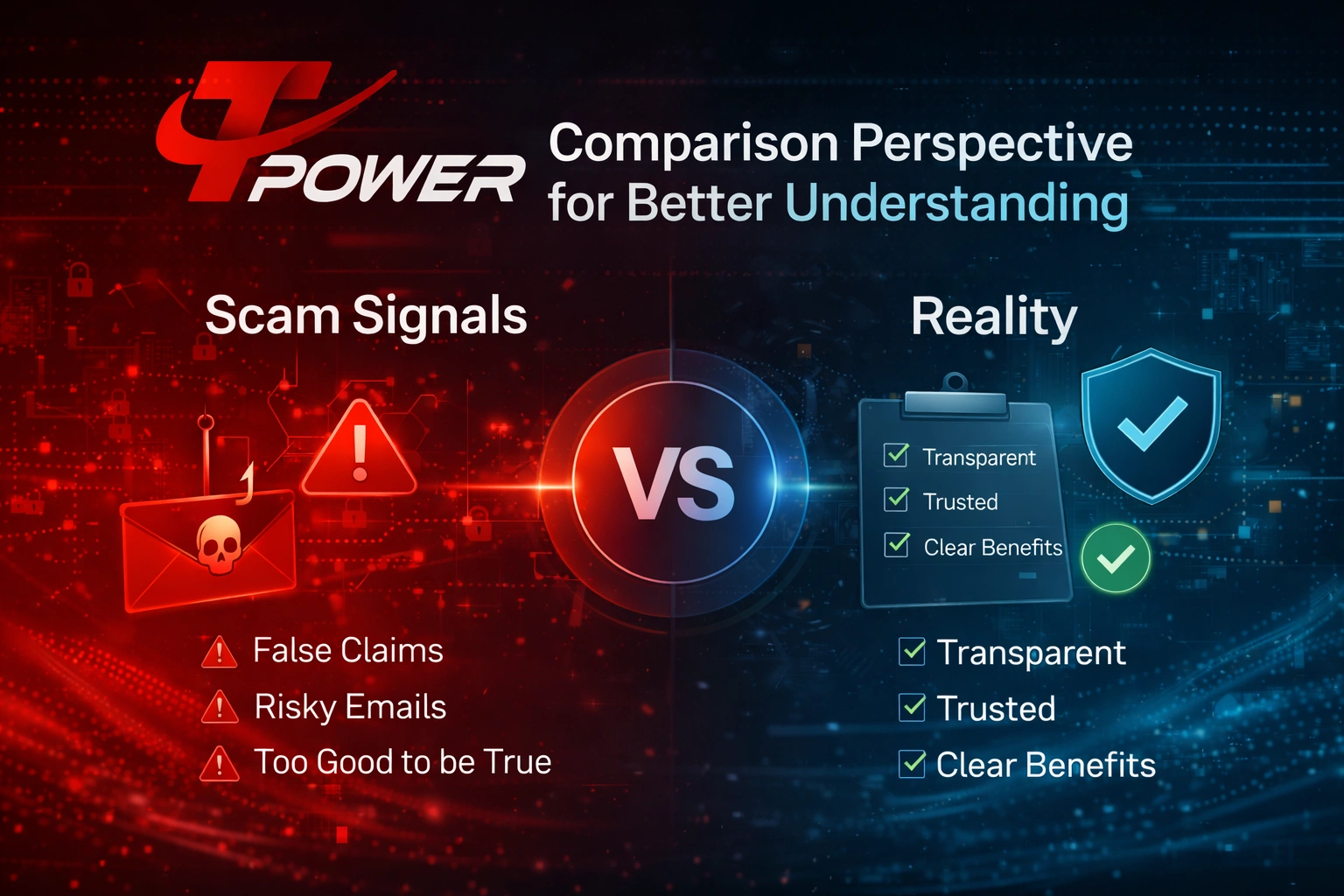
Comparison Perspective for Better Understanding
For users who want a clearer understanding of how a platform performs, relying on a single perspective is often not enough. While individual experiences can provide some insight, they may not always reflect the full picture. This is where comparison becomes useful, as it allows users to evaluate multiple platforms side by side and identify meaningful differences.
Instead of assessing one platform in isolation, comparing it with others helps highlight key factors such as usability, system performance, feature clarity, and overall user experience. These differences are not always obvious at first glance, but they become clearer when viewed in relation to another platform operating within the same space.
For example, one platform may focus on simplicity and ease of navigation, making it more accessible for new users. Another may offer more complex features but require a steeper learning curve. Similarly, differences in loading speed, mobile optimization, or system stability can influence how users perceive reliability over time. By comparing these aspects directly, users can better understand what aligns with their expectations and preferences.
Comparison also helps reduce bias. When users only look at one platform, their judgment may be influenced by isolated experiences or assumptions. However, when multiple platforms are evaluated together, it becomes easier to identify consistent patterns and separate actual strengths from temporary issues.
For those who want a deeper breakdown of how different platforms compare in real usage scenarios, you can explore this detailed analysis of platform performance and usability comparison . This provides additional context on how structure, speed, and user experience may vary across platforms.
Ultimately, comparison is not about determining which platform is “better” in a general sense, but about understanding which one fits specific user needs. By taking this approach, users can make more informed decisions based on clear observations rather than assumptions.
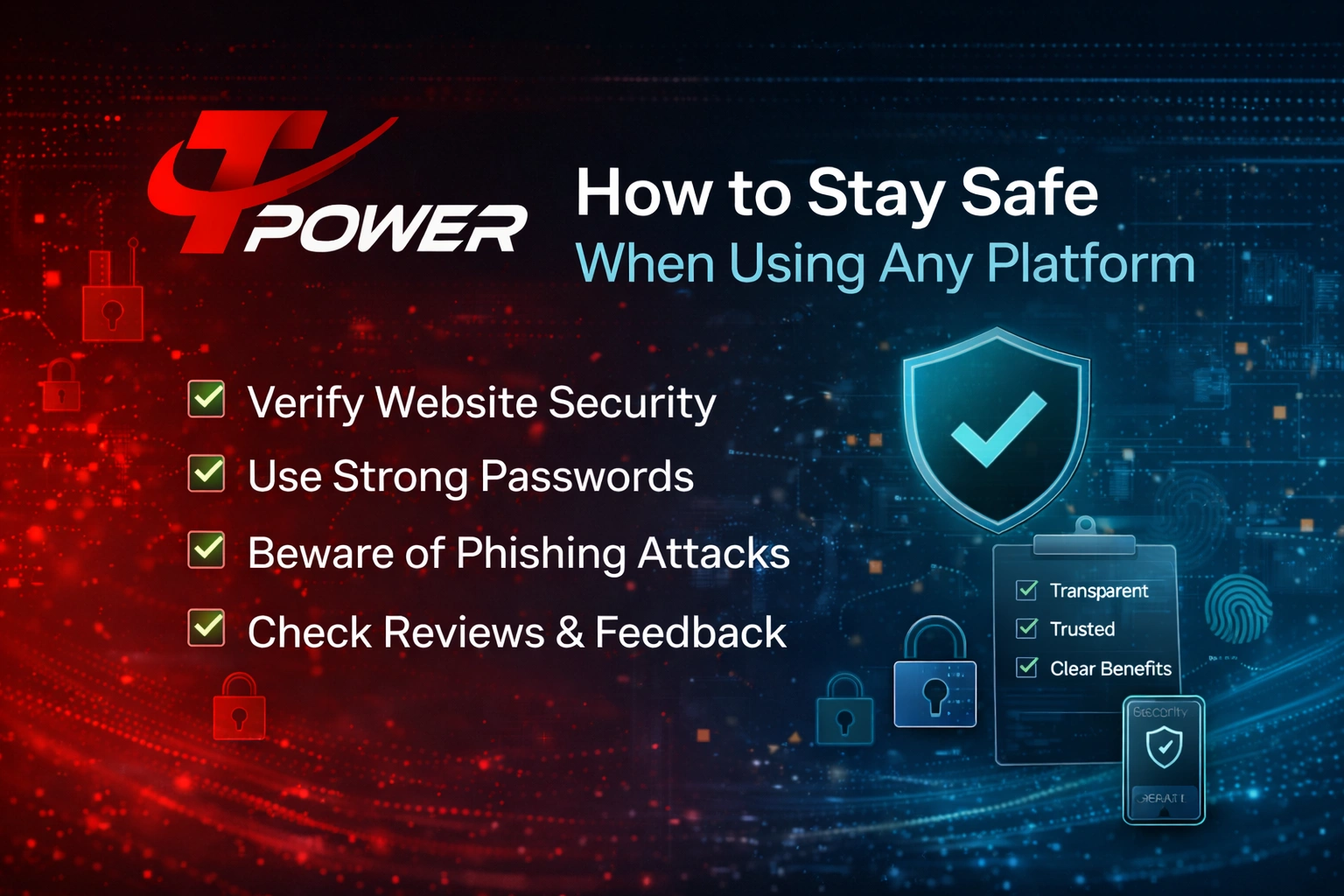
How to Stay Safe When Using Any Platform
Even when a platform appears legitimate and well-structured, users should always take personal precautions to protect their accounts and information. Online safety is not solely dependent on the platform itself — it also depends on how users interact with it. By following a few simple practices, potential risks can be reduced significantly.
One of the most important habits is accessing the platform only through its official website. Users should avoid clicking on unknown or unverified links, especially those received through messages, social media, or third-party sources. These links may sometimes lead to unofficial versions of a platform that are designed to look similar but serve a different purpose. Taking a moment to verify the website address before logging in can prevent unnecessary exposure to risk.
Protecting login credentials is equally essential. Users should keep their account details private and avoid sharing them with others under any circumstances. Using strong and unique passwords adds another layer of protection. A secure password should combine letters, numbers, and symbols, making it more difficult to guess or compromise. It is also advisable not to reuse the same password across multiple platforms, as this increases vulnerability if one account is affected.
Regularly monitoring account activity is another effective way to maintain security. By checking recent actions, login attempts, or transaction history, users can quickly identify anything unusual. If something unexpected appears, taking action immediately — such as updating the password or contacting support — can help prevent further issues from developing.
In addition, users should remain cautious when accessing their accounts on shared or public devices. Logging out after each session and avoiding saving login details on unfamiliar devices can reduce the risk of unauthorized access. Using a secure and private internet connection also adds an extra layer of safety.
Ultimately, staying informed and aware is one of the most effective ways to ensure a safe experience. When users combine personal responsibility with a platform’s built-in security measures, they create a stronger overall protection against potential risks.
Exploring Features and Access Options
For users who are interested in getting started, understanding the available entry points can make the overall experience much smoother. Rather than navigating through multiple pages without direction, having clearly defined access options allows users to move forward with confidence based on their specific needs.
For returning users, the most direct path is through Tpower Login . This provides a secure and straightforward way to access an existing account without unnecessary steps. A well-designed login process ensures that users can enter their credentials quickly and continue where they left off, minimizing delays and improving overall efficiency.
New users, on the other hand, can begin through the Tpower Register . The registration process is typically structured to guide users step by step, making it easier to create an account without confusion. Clear instructions and a simple layout help reduce errors during sign-up, which is especially important for users who may be unfamiliar with similar platforms. When the process is straightforward, it encourages users to complete their registration with confidence.
Beyond basic access, some users may be interested in exploring available features before fully committing. For this purpose, the Tpower Promotions provides useful insights into how promotional elements are structured. By reviewing this information in advance, users can better understand what is being offered and how it works, without feeling uncertain about the details.
Having these clearly defined entry points improves both usability and user experience. Instead of guessing where to begin, users can choose the path that fits their situation — whether it is logging in, creating a new account, or exploring available features. This level of clarity reduces confusion during the initial stages and allows users to interact with the platform in a more organized and efficient way.
Ultimately, when access options are structured and easy to follow, it creates a smoother onboarding process and sets a positive tone for the overall experience.

Final Verdict: Legit or Scam?
After evaluating the platform based on observable factors such as structure, security, system performance, and transparency, there are no strong indicators suggesting that it operates as a scam. Instead, it reflects many of the characteristics typically found in platforms that are structured, maintained, and designed for ongoing use.
From a usability standpoint, the platform presents a clear and organized interface, allowing users to navigate between sections without unnecessary confusion. This level of structure reduces friction, especially for new users who may be interacting with the system for the first time. When navigation feels intuitive, it creates a more stable and predictable experience.
In terms of security, the presence of standard encryption practices provides a basic level of protection for user data. While this does not eliminate all potential risks, it meets the expected requirements for platforms operating in today’s digital environment. Combined with responsible user behavior, this contributes to a safer overall experience.
Performance consistency is another factor that supports reliability. The system generally maintains stable operation, with reasonable loading times and minimal interruptions. This consistency plays an important role in building user confidence, as repeated positive experiences tend to reinforce trust over time.
Transparency also adds to the overall credibility. When features and conditions are presented in a clear and understandable way, users are less likely to encounter unexpected issues. This clarity helps reduce confusion and allows users to make informed decisions based on what is presented.
That said, it is important to recognize that no platform is completely free from occasional issues. Technical problems, temporary delays, or minor disruptions can occur, especially in environments with high user activity. What matters is not the absence of these issues, but how frequently they occur and how effectively they are resolved.
Ultimately, the platform appears to function as intended, but users should still approach it with awareness. Understanding how it works, monitoring account activity, and following basic safety practices remain essential steps in ensuring a smooth and secure experience over time.